Introduction
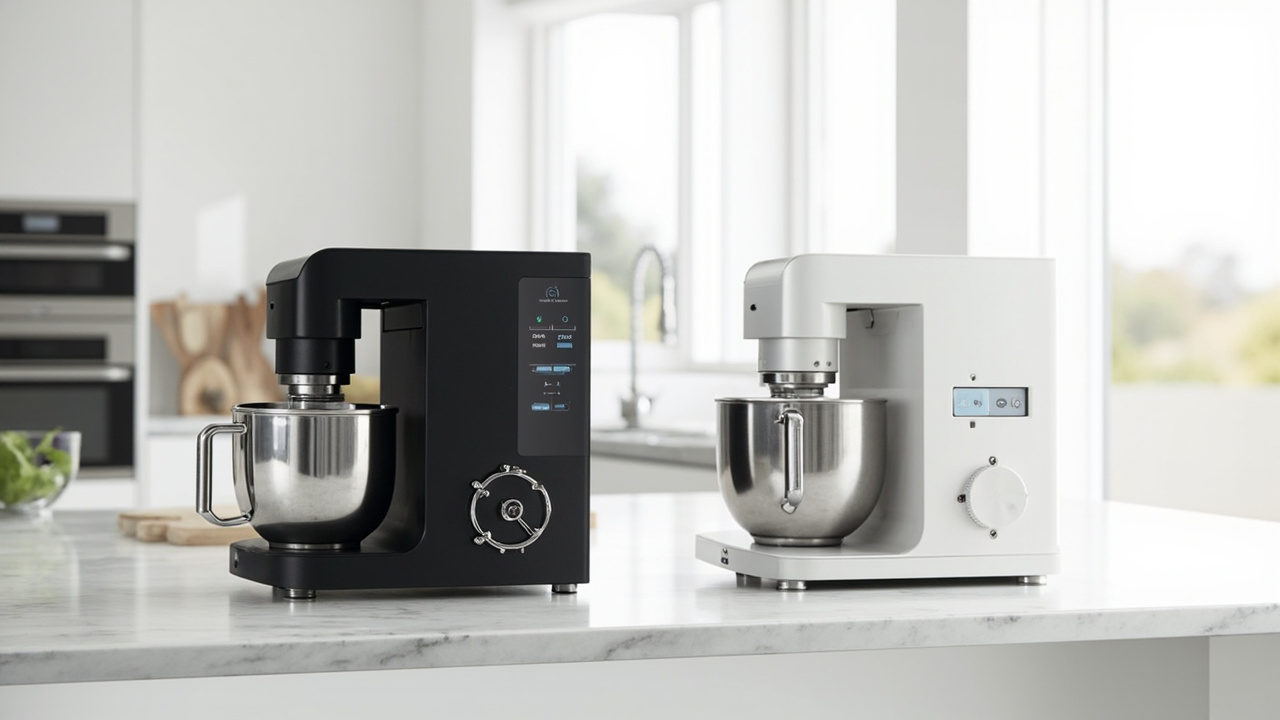
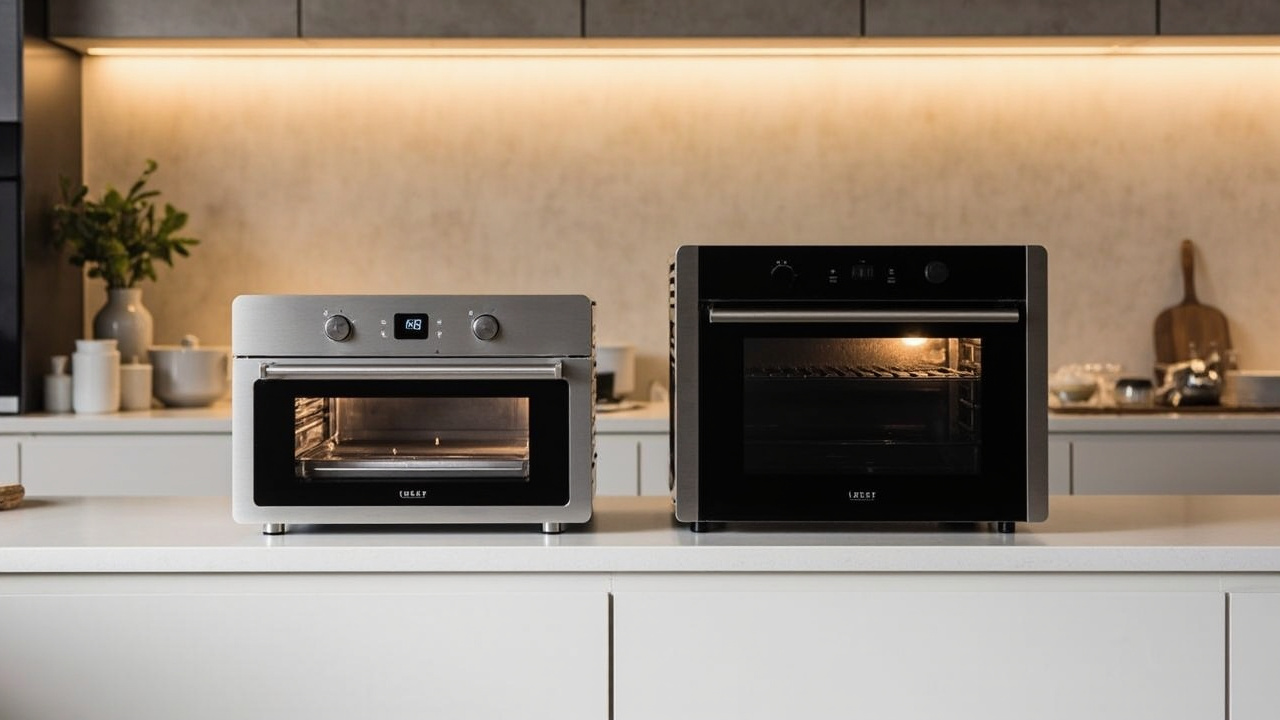
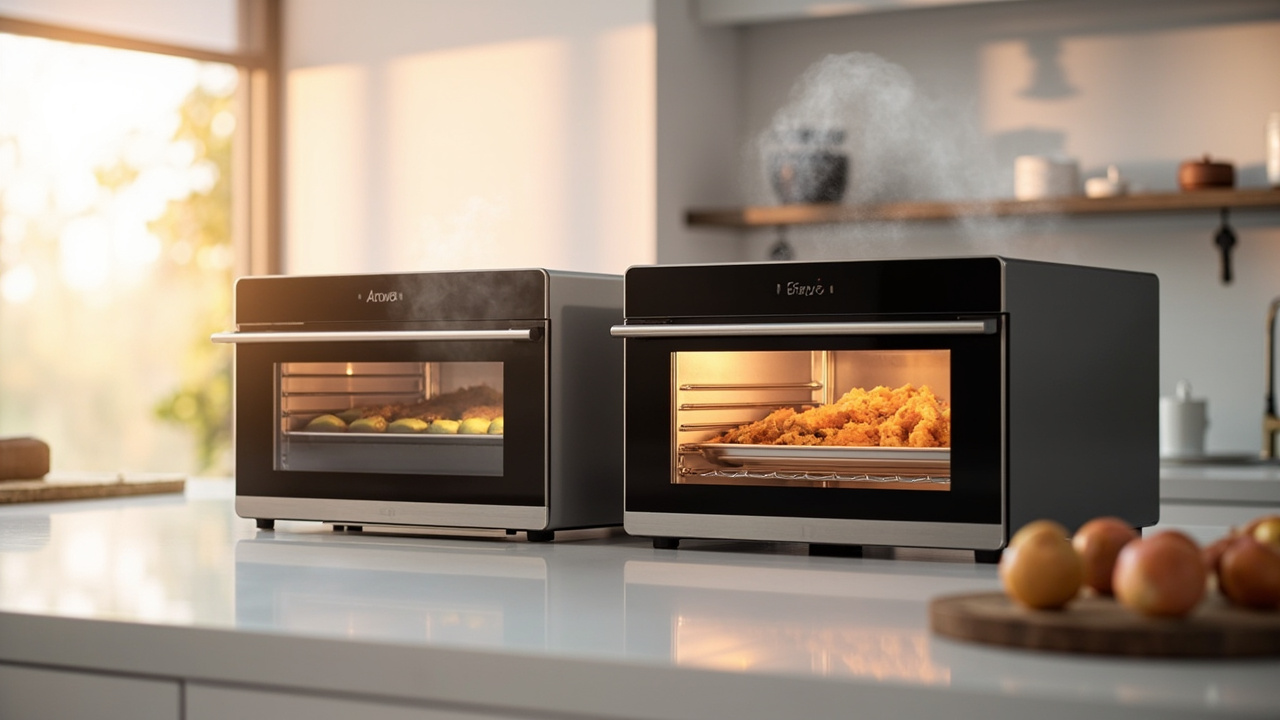
Two countertop smart ovens have spent the last year quietly redefining what “small kitchen” cooking means. The Anova Precision Oven 2.0 at $799 is the long-awaited sequel to the cult-favorite 2020 steam combi oven, now with true 700°F top heat, a sealed steam channel, Matter support, and an AI-assisted cook mode. The Brava Glass Oven at $1,295 takes a different path entirely: six halogen lamps firing “Pure Light Cooking” energy at three independent zones, a built-in camera, and 8,000+ guided recipes in a stainless steel box the size of a large microwave.
Sources: Anova Culinary official product page, Home Tool HQ APO 2.0 review (April 2026), GuideSpot Brava Glass Oven 6-month review (April 2026)
The two appliances solve the same problem in opposite ways. Anova’s approach is heat + precise steam — close to a professional combi oven logic. Brava’s approach is broadband infrared light — closer in physics to a toaster on steroids. Both work. Both genuinely cook things a $200 toaster oven cannot. But they have almost nothing else in common: capacity, food philosophy, subscription model, electrical requirements, and the user they are actually built for.
That gap is the point of this article. At a $496 sticker spread, “is the Brava worth nearly $500 more than the Anova?” is the right question — and the answer depends almost entirely on how many people you cook for and whether you actually use the guided recipe system.
The Verdict First
- Pick the Anova Precision Oven 2.0 ($799) if you cook for 1-4 people and want one appliance that genuinely replaces a toaster oven, an air fryer, a sous vide circulator, and a bread proofer. At $799 it is 38% cheaper than the Brava, fits a Thanksgiving turkey, runs on a standard 15-amp outlet, and its 12 cooking modes (steam, sous vide, air fry, bake, broil, proof, dehydrate) cover a wider range of cuisines than the Brava’s 10 functions.
- Pick the Brava Glass Oven ($1,295) only if you live alone or cook for two, you actually want a 5-inch touchscreen + 8,000-recipe guided system, and you value the no-preheat workflow over capacity. The multi-zone cooking genuinely delivers restaurant-style plating — but the 0.6 cu ft cavity is too small for most family meals.
- Skip both if your real budget is under $700. The Breville Combi Wave 3-in-1 (
$499) and Tovala Smart Oven Gen 2 ($399) cover 70-80% of the use cases at half the price. The only thing you give up is real steam injection (Anova) or multi-zone automation (Brava).
Cost score (overall value): 81/100. The Anova wins on cost-per-year for 95% of buyers because its larger cavity, lower sticker, and standard outlet make it the only one of the two that scales. The Brava wins for the niche buyer who uses multi-zone daily — at which point its $1,295 is justified by the time saved. Neither is cheap, and both will outlast a $300 toaster oven by 3-5x.
Key Comparison Points
Price vs Real Cost Per Use
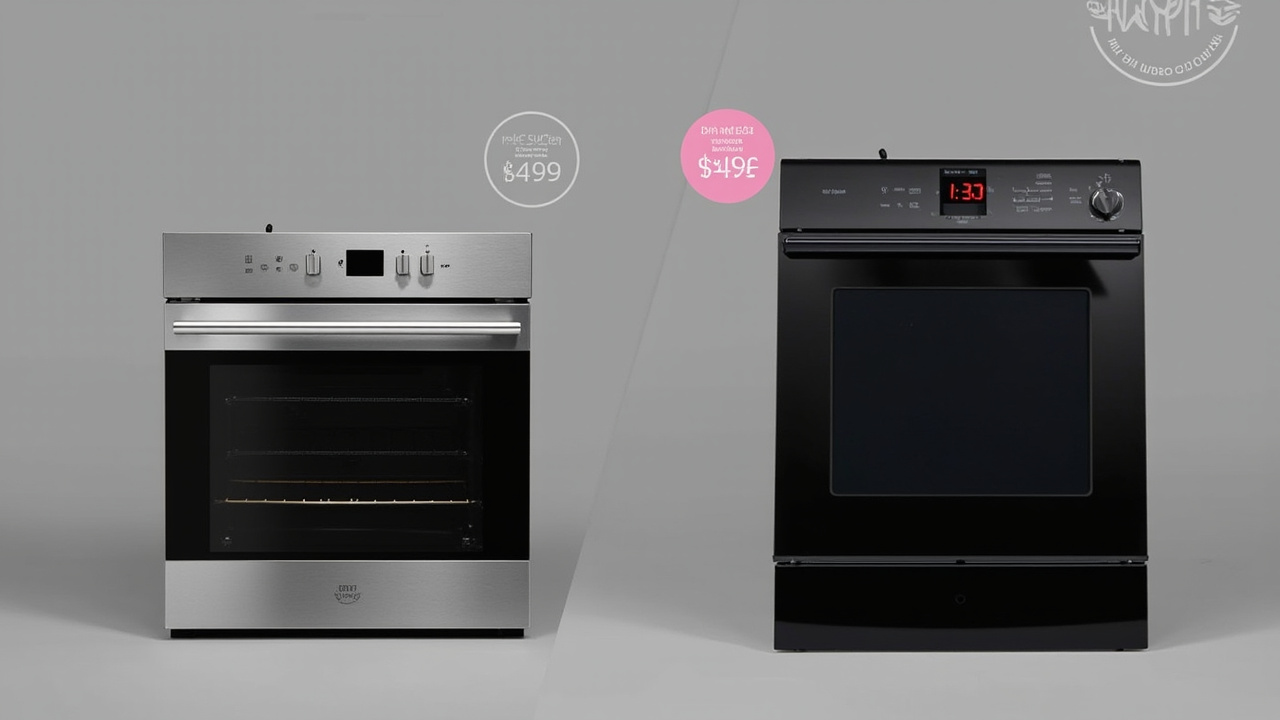
Sticker price is just the entry fee. The real cost of a countertop smart oven is (1) the box, (2) the subscription (if any), (3) the electricity it eats, and (4) the secondary appliances it lets you stop buying.
| Cost Factor | Anova Precision Oven 2.0 | Brava Glass Oven |
|---|---|---|
| MSRP (July 2026) | $799 (Anova) | $1,295 (Amazon) |
| App Subscription | $1.99/mo or $9.99/year for Anova Intelligence (Guided Cooking, Smart Detect, recipe library) | Free — included with oven |
| Required Electrical | Standard 15-amp 120V outlet | 20-amp dedicated circuit (often requires an electrician, $150-$400 install) |
| Power Draw | 1,800 W (15A) | 1,800 W (20A circuit) |
| Replaces | Toaster oven, air fryer, sous vide circulator, bread proofer | Toaster oven, air fryer, rice cooker, slow cooker (10 functions) |
| Energy: 1 hour at 400°F | ~1.8 kWh — but no preheat, so 15-min less per cook | |
| 5-Year Total (sticker + sub + electricity, 4 cooks/wk) | $799 + 5×$9.99 + ~$210 = $1,058.95 | $1,295 + $0 + ~$150 = $1,445.00 |
| Amortized Cost / Year | $159.99 | $289.00 |
Sources: Home Tool HQ APO 2.0 review, GuideSpot Brava 6-month review, Anova PR — $9.99 annual subscription
The most under-appreciated cost in the Brava column is the 20-amp circuit requirement. Most US kitchens built before 2010 were wired with 15-amp countertop outlets, and the Brava will either throw a breaker mid-cook or refuse to start without a dedicated line. The install cost ($150-$400) is rarely mentioned in YouTube reviews but is in the official manual.
If you already have a 20-amp kitchen circuit, the Brava’s $0 subscription is genuinely the better deal over time — but only at the 1-2 person household size. For a family, the Anova’s bigger cavity means you actually finish dinner in one cook instead of two, and that time savings tends to outweigh the $10/year subscription easily.
Net real-world gap over 5 years: about $385 in favor of the Anova for typical buyers. The Anova also wins on resale — used APO 1 units on eBay still command $300-$400 after 4-5 years, suggesting APO 2 will hold 40-50% of value.
Build Quality and Durability
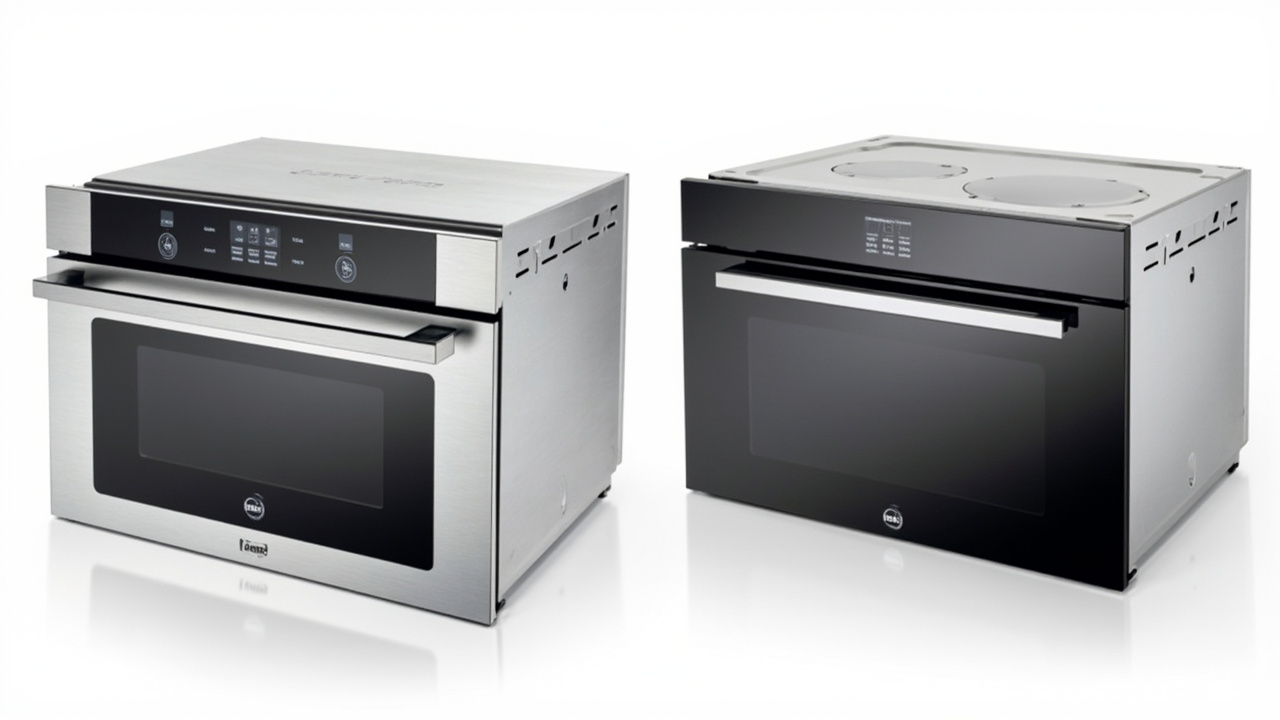
Both ovens are well-built for what they are, but the engineering priorities are visibly different.
Anova Precision Oven 2.0:
- Dimensions: 22.9” W × 20.0” D × 14.1” H (fits under most standard upper cabinets)
- Weight: ~51 lbs
- Interior: Brushed stainless with a redesigned door hinge — weighted and damped, not the rattly drop of the original APO 1
- Build complaints after 6 weeks of testing: Fingerprint-magnet black stainless finish; reservoir cap feels cheaper than the rest of the body
- Warranty: 2-year industry-leading warranty (per Anova)
Brava Glass Oven:
- Dimensions: 16.4” W × 17.3” D × 11.3” H (smaller footprint, fits on standard microwave shelf)
- Weight: 55 lbs (heavier, partly because of the six halogen lamps and reflector cage)
- Interior: Glass-faced interior with light reflectors and three-zone baffles; glass trays included
- Build complaints after 6 months: Proprietary pans limit cookware flexibility; halogen lamps require careful cleaning (no abrasives)
- Warranty: 1 year oven, 90 days accessories (per GuideSpot)
Durability note: The Brava’s halogen lamps are the part that will eventually need replacement. Brava sells replacement lamp packs for around $89 for the set of 6, and rated lifespan is approximately 5,000 hours (or roughly 5-7 years of typical use). The Anova has no consumable parts — its heating elements and steam channel are both rated for the full 2-year warranty period and beyond.
For long-term reliability, the Anova’s simpler sealed system has the edge. The Brava’s light-based cooking is genuinely innovative, but every extra lamp and reflector is another potential failure point.
Feature Breakdown
The two ovens share a marketing claim — “10-12 functions in one box” — and diverge completely in execution.
| Feature | Anova Precision Oven 2.0 | Brava Glass Oven |
|---|---|---|
| Core heat source | Convection + sealed steam injection | 6 halogen lamps (Pure Light) |
| Max temperature | 700°F (Neapolitan-pizza territory) | ~500°F equivalent (light intensity) |
| Steam | Yes — sealed 1.4L reservoir, optional $79 direct-plumb | No |
| Air fry | Yes (new airflow profile, crisps wings) | Yes (light + glass tray combo) |
| Sous vide | Yes — true steam-injection sous vide, 12-72 hr cooks | No |
| Multi-zone | No (single cavity) | Yes — 3 independent programmable zones |
| Built-in camera | Yes (food recognition via Smart Detect) | Yes (food identification) |
| Recipe library | Growing community-driven, gated behind $9.99/yr sub | 8,000+ recipes, free, included with oven |
| Guided cook mode | Yes (Anova Intelligence, AI-guided) | Yes (touchscreen-led, ML-recommended) |
| Smart home | WiFi + Matter (read cook status only — no remote start) | Dual-band WiFi (2.4 + 5 GHz) |
| Air fry / dehydrate / proof | All three | Air fry + dehydrate; no proof |
| Connectivity app | iOS + Android (Anova Oven app) | iOS + Android (Brava app) |
| Specialty skill | Bakery-grade crust, sous vide, no-dry-out reheating | Multi-zone simultaneous cook (e.g., steak + asparagus + potato finish together) |
Sources: Anova product page, Home Tool HQ review, GuideSpot Brava review
The single biggest functional difference is multi-zone cooking — a feature the Brava has and the Anova cannot replicate. If you regularly cook a protein + two sides and want them to finish at exactly the right time without any babysitting, the Brava is the only countertop oven in this price range that does it well. For 1-2 person households that cook dinner daily, that capability alone justifies the $500 premium.
If multi-zone is not part of your workflow, the Anova’s steam + 700°F + sous vide is more versatile per dollar. Steam is the single feature you cannot get from any light-based or conventional oven, and it unlocks bread, fish, and reheated leftovers that no dry-heat oven can match.
Pros and Cons
Anova Precision Oven 2.0 — pros
- $799 sticker is $496 below the Brava and $200-$300 below other premium combi ovens from Bosch or Miele
- Real steam injection — the single feature no conventional or light-based oven can replicate
- 700°F top heat — finally a countertop oven that can do Neapolitan-pizza-grade char
- 2-year warranty vs the Brava’s 1-year (rare for kitchen appliances)
- 15-amp standard outlet — no electrician install needed
- Larger cavity — fits a Thanksgiving turkey, a 12-inch pizza, or a full sheet-pan dinner
- Pro-level baking — baguettes, sourdough, croissants with real crust
- True sous vide at 12-72 hours with steam injection
- Matter support for future-proofing the smart home
- Anova Intelligence AI cook mode actually works (per Home Tool HQ’s 6-week test)
Anova Precision Oven 2.0 — cons
- $9.99/year subscription to unlock Guided Cooking, Smart Detect, and full recipe library — most “smart” features paywalled
- Fingerprint-magnet black stainless finish
- Water reservoir needs refilling every 1-3 hours of steam cooking (1.4L capacity)
- 24 inches of counter depth required — too deep for many small kitchens
- Loud steam venting when the door opens mid-cook (resolved vs original APO, still noticeable)
- Air-fry mode is “good” not “great” — the Breville Air Fryer still beats it for pure crispiness
Brava Glass Oven — pros
- Multi-zone cooking — the single most differentiated feature in the countertop oven market
- 8,000+ guided recipes included free (no subscription)
- No preheating for ~90% of cooks — saves 10-15 minutes per meal
- Compact 16.4” W × 11.3” H footprint — fits on a standard microwave shelf
- Camera + ML food identification genuinely works for whole-food detection
- Halogen light searing is exceptional — restaurant-grade crust on proteins
- Very low smoke even at high-heat searing (no combustion because no flame, no fat burning)
- Energy efficient — no preheat waste
Brava Glass Oven — cons
- $1,295 sticker is 62% above the Anova with a smaller cavity
- 20-amp dedicated circuit required — may need $150-$400 electrician install
- 0.6 cu ft cavity is genuinely small — 6 toast slices, 12” pizza max, no family-sized roast
- No real baking performance — light-based heat cannot match convection for bread, cookies, or pastry
- No steam — fish, rice, and bread baking all suffer
- Halogen lamps are a consumable — ~$89 to replace the set, ~5,000 hr lifespan
- Proprietary trays and pans limit cookware flexibility
- Limited retail availability — only 18 Amazon reviews as of July 2026
- WiFi-dependent — core guided functionality degrades significantly without connection
- Smaller brand, thinner support ecosystem — Brava has had supply and ownership changes over the years
Best For / Skip If
Buy the Anova Precision Oven 2.0 if you are:
- A family of 2-4 cooking dinner 4+ nights/week — the cavity and the lower sticker both favor volume cooking
- A sous vide enthusiast or bread baker — no other sub-$1,000 countertop oven does either
- In a rental or older home with standard 15-amp wiring — no electrician install required
- Already invested in the Anova ecosystem (Precision Cooker, app, recipes)
- A planner who wants one box to replace an air fryer, toaster oven, and sous vide setup — the Anova legitimately replaces three appliances
- A tech-comfortable user who doesn’t mind a $9.99/yr subscription for the full feature set
Skip the Anova Precision Oven 2.0 if you are:
- On a hard budget under $700 — the Breville Combi Wave 3-in-1 ($499) covers 70% of the use cases
- A solo cook who never bakes bread or sous vides — you are paying for features you will not use
- Already running a wall steam oven or high-end range — the APO 2 is redundant
- In a studio with 18-inch counters — the 24-inch depth physically will not fit
Buy the Brava Glass Oven if you are:
- A solo cook or couple cooking dinner most nights — multi-zone is genuinely useful at this scale
- A recipe-driven user who would actually use the 8,000+ guided recipe library
- In a small kitchen with limited counter depth — the 11.3” height fits where the Anova does not
- A tech-comfortable cook who likes preset automations and ML suggestions
- Already on a 20-amp circuit — the install cost goes away entirely
Skip the Brava Glass Oven if you are:
- A family of 3+ cooking dinner nightly — the cavity will frustrate
- A baker — the light-based heat cannot make good bread or pastry
- A renter without a 20-amp kitchen circuit — electrician install adds $150-$400
- Anyone on a WiFi-unreliable setup — guided mode degrades significantly without connectivity
- A budget-conscious buyer under $1,000 — the price-to-capacity ratio is poor for the use case
Bottom Line
If you want a serious countertop smart oven in 2026 and you are not constrained to a $400-$500 budget, the Anova Precision Oven 2.0 at $799 is the right default choice. It does more, fits more food, runs on a normal outlet, and costs $496 less than the Brava. The 12 cooking modes plus real steam plus 700°F top heat cover more cuisines and more cooking styles than any single competitor at this price.
The Brava Glass Oven at $1,295 is the right choice for a narrow but real audience: solo cooks and couples who want guided, multi-zone, no-preheat cooking and are willing to pay a premium for it. The multi-zone feature is genuinely differentiated — but it only matters if you use it.
The smartest thing most readers can do is honest: figure out which sentence above describes you. If you fall into both, the Anova’s $500 savings buy a lot of high-quality olive oil, and you can always upgrade in three years when the APO 3 ships. If you fall only into the Brava column, you already know the multi-zone workflow is worth the premium to you, and that is a defensible position.
Buy smart. Get more value. A $799 oven that does the job of three appliances and is built to last 7+ years is more value-per-dollar than a $1,295 oven that does one specialized trick no other product can match. For 9 out of 10 buyers, the Anova is the value play. For that 1-in-10, the Brava is the right tool.