Introduction
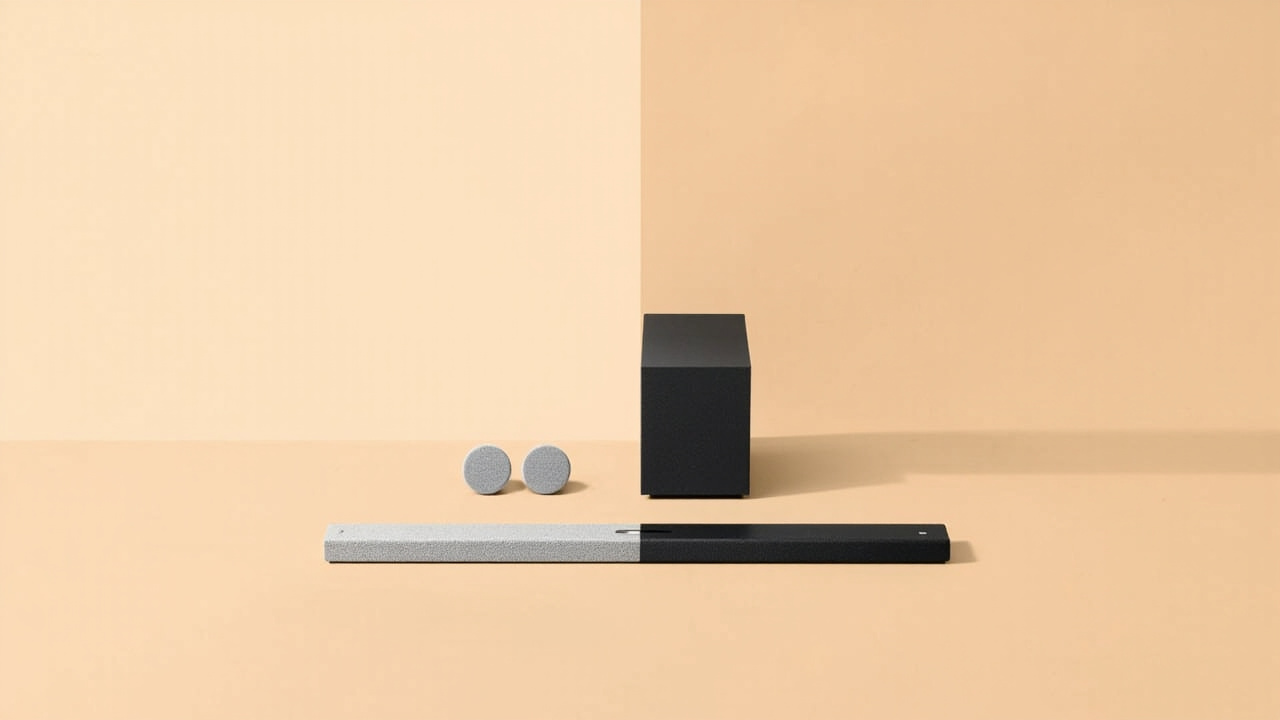
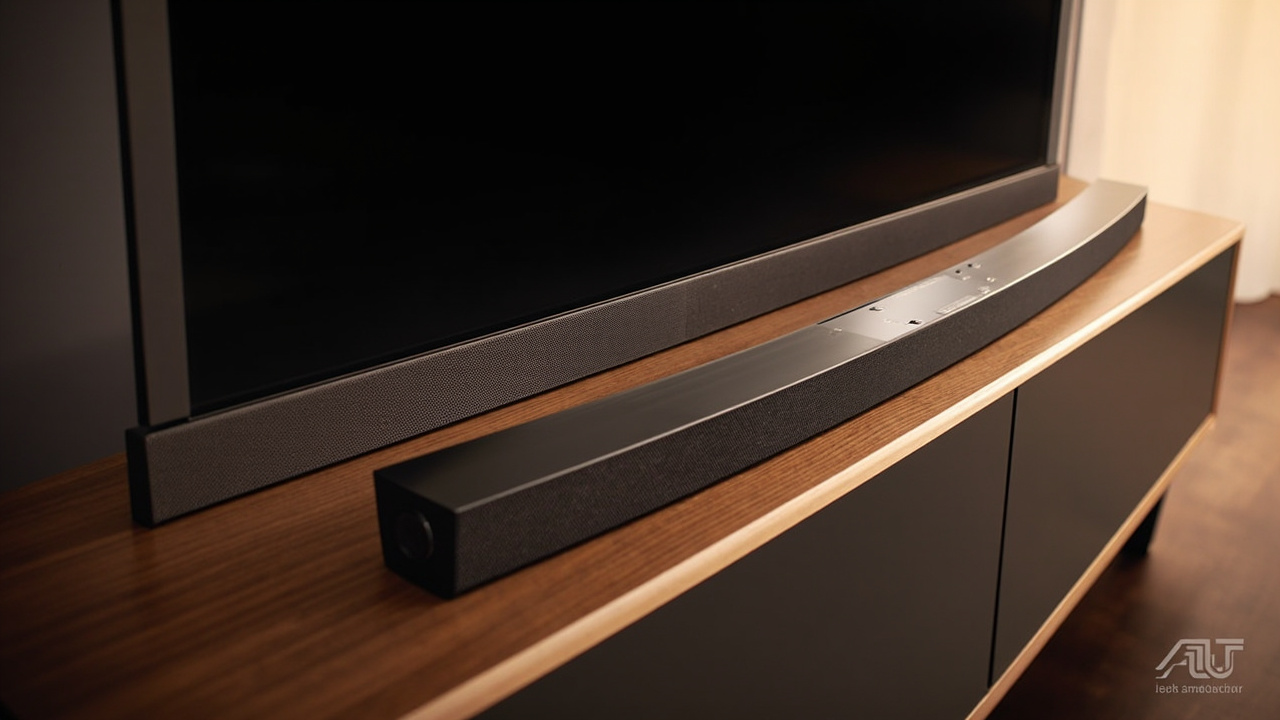
In May 2026, Bose quietly shipped a soundbar it had been working on for over a decade. The Bose Lifestyle Ultra Soundbar lands at $1,099 as the centerpiece of a brand-new “Lifestyle Collection” — a modular Dolby Atmos system designed to be expanded piece by piece with a $899 wireless subwoofer and $299 rear speakers. It is the first major Bose soundbar redesign in more than 10 years (Source: ecoustics.com, May 2026).
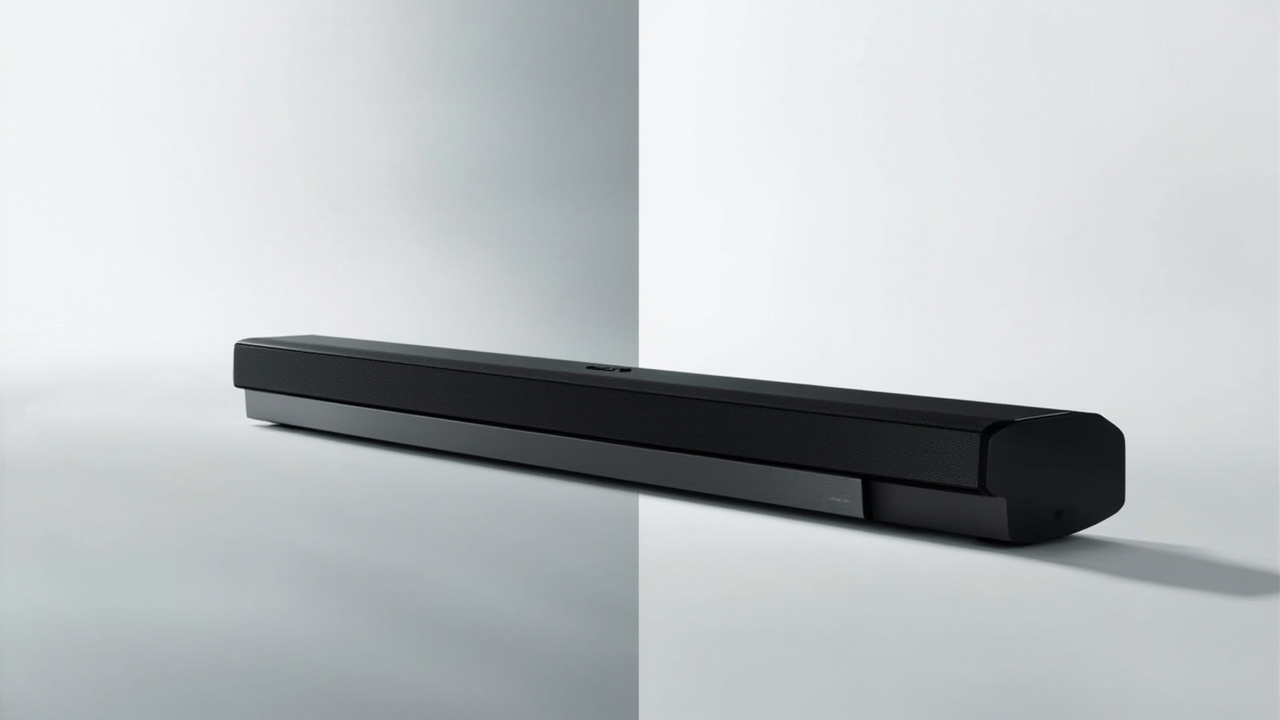
That puts it head-to-head with the Sonos Arc Ultra at $999, which has held the “best Dolby Atmos soundbar you can buy as a single box” crown since late 2024 and picked up a What Hi-Fi? Award along the way (Source: tech.yahoo.com / T3, 2026).
Both products are above USD 500. Both promise immersive Dolby Atmos from a single cabinet. But they get there via fundamentally different philosophies: Bose sells you a modular system you grow into over time, Sonos sells you a polished standalone bar you bolt extras onto. The right pick depends less on raw sound and more on what your living room will look like in 2028.
The Verdict First
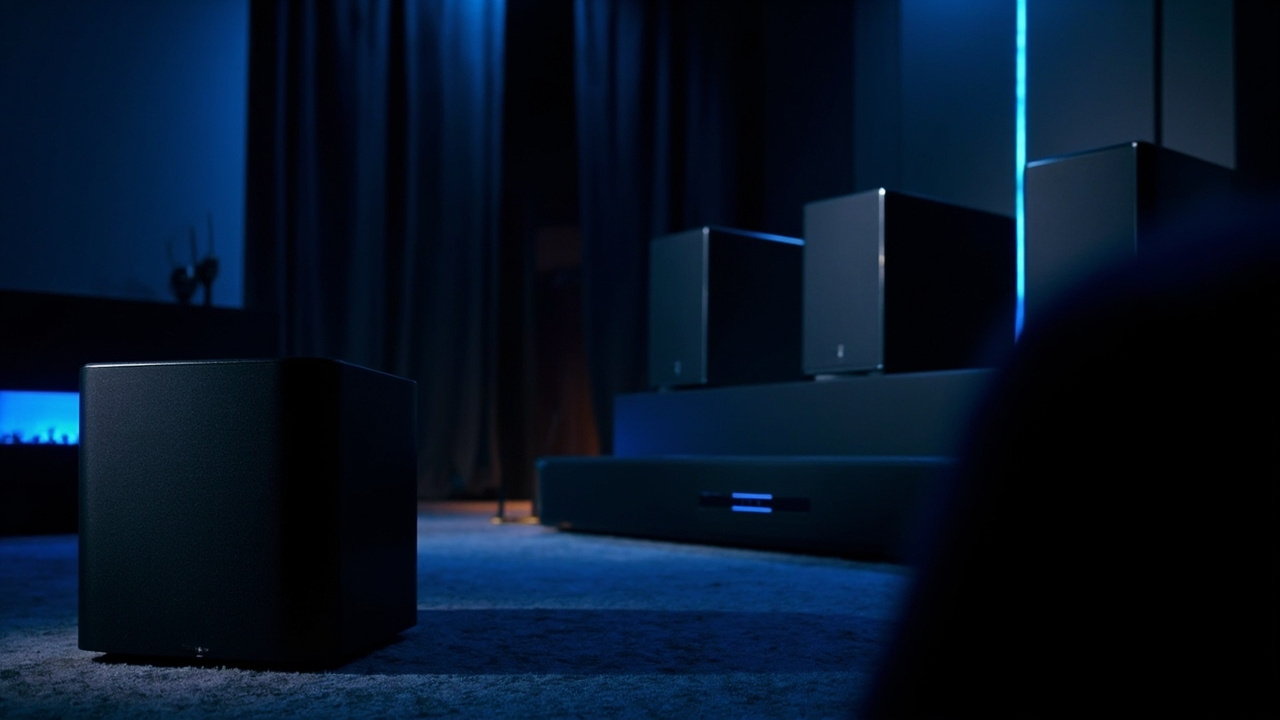
- Pick the Bose Lifestyle Ultra Soundbar ($1,099) if you already know you’ll want a full 7.1.4 Dolby Atmos setup within 12 months. The Lifestyle Collection is a single, well-integrated ecosystem — soundbar, sub, and rears use the same Bose app, the same CustomTune calibration, and pair wirelessly out of the box. The catch: each add-on is expensive (sub $899, rears $299 each, full 7.1.4 system = $2,396).
- Pick the Sonos Arc Ultra ($999) if you want the strongest single-cabinet Dolby Atmos experience today and might never add rears. Sonos’s 9.1.4 channel layout and the new Sound Motion woofer deliver “a bubble, the Arc created a wall” style immersion in side-by-side Atmos testing (Source: HometoolHQ 2026). It is also $100 cheaper at the entry price.
- Skip the comparison entirely and look at the Samsung HW-Q990F ($1,499) if your goal is true surround for the lowest dollar. A complete 11.1.4 bar + sub + rears for $1,499 will outperform any single-cabinet setup on real surround, every time.

Key Comparison Points
Price vs Real Cost Per Use
Sticker price tells you almost nothing here. The interesting math is the total cost once you stop pretending you’ll never add a subwoofer.
| Cost Factor | Bose Lifestyle Ultra Soundbar | Sonos Arc Ultra |
|---|---|---|
| Soundbar alone (MSRP) | $1,099 (US, ecoustics 2026) | $999 (US, Sonos Shop) |
| Subwoofer (matched brand) | $899 (Bose Lifestyle Ultra Subwoofer) | $799 (Sonos Sub 4) |
| Rear speaker pair (matched brand) | $598 ($299 × 2, Lifestyle Ultra Speakers) | $898 ($449 × 2, Sonos Era 300) |
| Full 7.1.4 System (soundbar + sub + 2× rear) | $2,396 | $2,696 |
| Power Draw (typical TV viewing) | ~15–20 W (SoundGuys review notes idle at ~12 W) | ~10–15 W (idle/active mixed) |
| Annual Electricity (4 h/day, $0.18/kWh) | ~$5–$8 | ~$3–$5 |
| Likely Firmware Support Lifespan | 5+ years (new product line, Bose unproven post-rebrand) | 7+ years (Sonos has supported original Arc since 2020) |
| 5-yr Cost (soundbar alone, amortized + power) | $219.80/yr | $199.80/yr |
| 7-yr Cost (soundbar alone, amortized + power) | $157.00/yr | $142.70/yr |
Standalone bar math: Sonos wins by about $20/year on amortization + electricity over 5 years. That is the price of a streaming subscription — small.
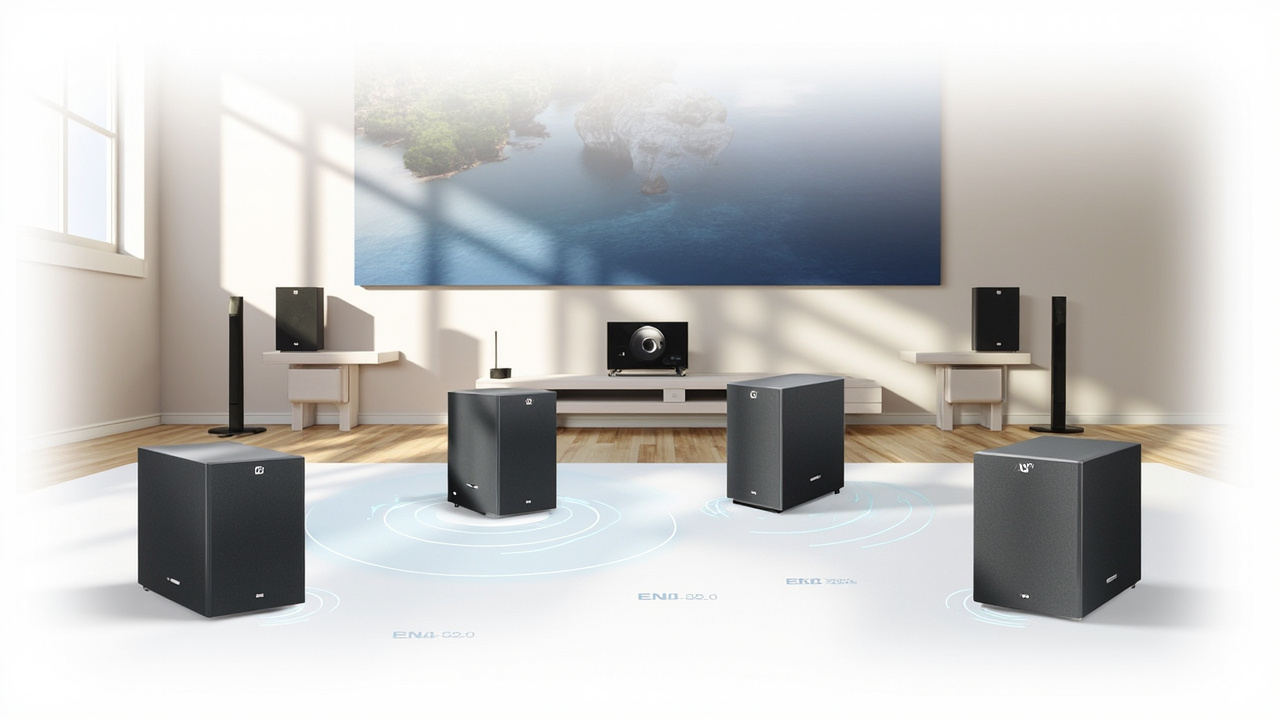
Full system math: This is where it gets interesting. To build a matched 7.1.4 system, the Bose route is $300 cheaper than Sonos ($2,396 vs $2,696). Both ecosystems let you skip the sub or the rears, but if you actually want the full Atmos bubble, the Bose collection undercuts Sonos by about 11%.
The bigger risk factor is firmware support. Sonos has publicly committed to multi-year update support for the Arc line and the original Arc still receives firmware updates in 2026. Bose has a shorter track record post-rebrand and the Lifestyle Collection is brand new — the 5+ year estimate is hopeful, not certain (Source: What Hi-Fi?, July 2026 comparison).
Build Quality and Durability
| Spec | Bose Lifestyle Ultra Soundbar | Sonos Arc Ultra |
|---|---|---|
| Width | 1,105 mm (43.5 in) | 1,178 mm (46.4 in) |
| Height | 67 mm (2.64 in) | 75 mm (2.95 in) |
| Depth | 125 mm (4.96 in) | 110.6 mm |
| Weight (soundbar only) | 6.5 kg (14.3 lb) | 5.9 kg (13 lb) |
| Driver Count | 9 (six full-range, two up-firing, one tweeter) | 15 (7 tweeters, 6 mid-woofers, 2 Sound Motion woofers) |
| Channel Layout (standalone) | 5.0.2 (expandable to 7.1.4) | 9.1.4 (manufacturer-rated) |
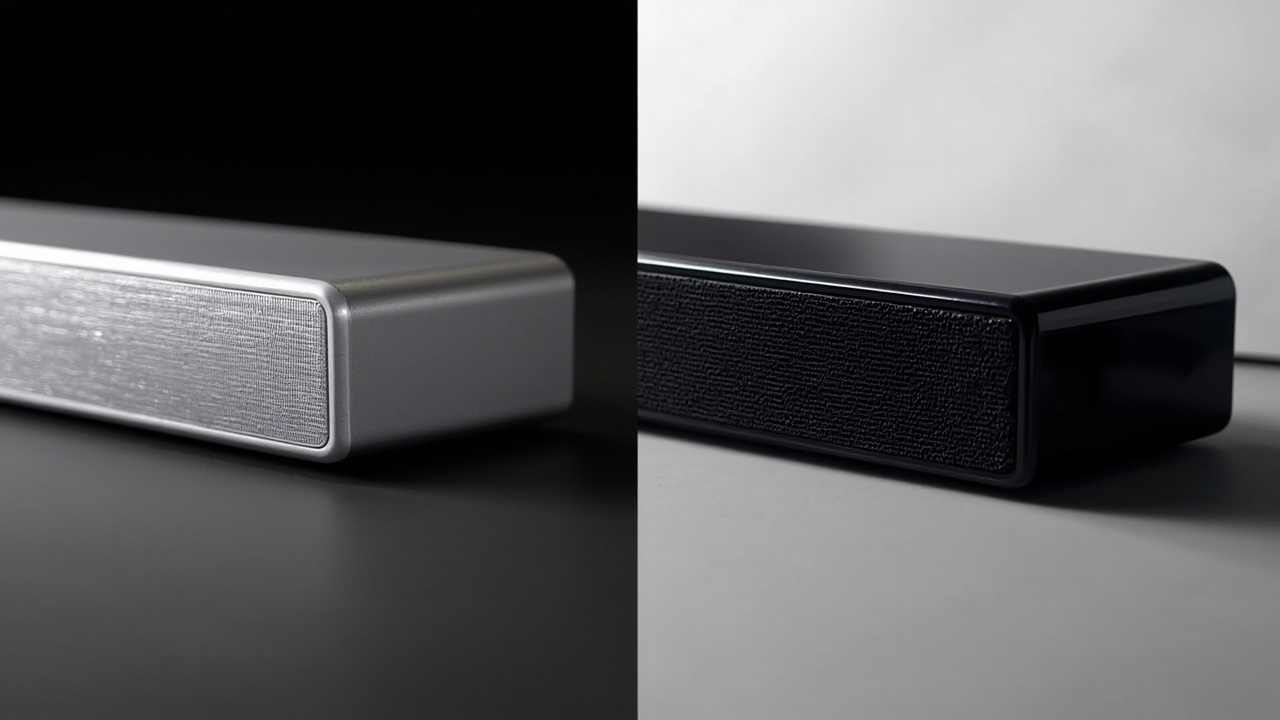
| Cabinet Finish | Glass top, fabric grille, Black or White Smoke | Matte plastic, Black or White |
| Connectivity | HDMI eARC, Wi-Fi, Bluetooth 5.3, AirPlay 2, Google Cast, Spotify Connect, Alexa+ | HDMI eARC, Wi-Fi, AirPlay 2, Bluetooth 5.0 (via adapter, sold separately) |
| HDMI Passthrough | None | None |
| Optical Input | None | None (adapter sold separately) |
| Warranty | 1 year | 1 year |
A few practical takeaways:
- The Bose is meaningfully shorter (2.64”) than the Sonos (2.95”). If your TV sits on a low stand and the bottom edge of the screen is already tight, that 8 mm matters.
- The Sonos is 73 mm wider. On a media console under a 50-inch TV, that can overflow the stand. Measure before buying.
- Both have no HDMI passthrough and no optical input. If you still rely on an optical-only older TV, neither works without a third-party adapter.
Neither bar is user-serviceable. When the DSP board or amplifier fails (typically year 6–8), you replace the unit. Both companies have trade-up programs but Bose’s is inconsistent compared to Sonos’s established refurbishment channel (Source: SoundGuys review, May 2026).
Feature Breakdown
Channel layout and Atmos immersion. Sonos markets 9.1.4 from a single bar (15 drivers total) using its new Sound Motion flat woofer for cleaner bass. Bose markets 5.0.2 standalone, scaling to 7.1.4 only if you add the sub and rears. Head-to-head reviewers consistently give the Arc Ultra the win on Atmos immersion out of the box, with RTINGS concluding “the Sonos Arc Ultra is a better all-in-one soundbar” on Atmos material (Source: RTINGS.com comparison).
Dialogue clarity. Bose ships SpeechClarity with adjustable AI-driven levels. Sonos offers three speech enhancement tiers (Low/Medium/High) plus a night mode. In side-by-side listening on broadcast drama and streaming action, both perform well, but reviewers note Bose’s SpeechClarity is more aggressive by default — which is good if you have a hard-of-hearing household member, slightly worse if you watch a lot of quiet dialogue-heavy films where the algorithm over-corrects.
Room calibration. Bose uses CustomTune (iOS + Android, microphone-based, ~3 min). Sonos uses Trueplay (iOS advanced, Android quick-tune). CustomTune is faster and platform-agnostic. Trueplay iOS remains the gold standard for precision. For most buyers the difference is academic.
Voice assistants. Bose supports Alexa+ (the new generative AI version) and is one of the first third-party speakers with Alexa Plus support (Source: The Verge, May 2026). Sonos supports Alexa and Google Assistant, but only one at a time, and voice control is noticeably less reliable than Bose’s.
Connectivity. Bose ships Bluetooth 5.3, AirPlay 2, Google Cast, Spotify Connect, and Wi-Fi — the most complete streaming support of any soundbar in this price tier as of 2026. Sonos ships AirPlay 2 and Wi-Fi, with Bluetooth requiring a separate $59 adapter. For Android households, Bose is meaningfully more flexible.
Pros and Cons
Bose Lifestyle Ultra Soundbar
Pros
- First Bose soundbar redesign in over a decade — 9-driver array with PhaseGuide and TrueSpatial processing
- Most complete streaming support in its price tier: AirPlay 2, Google Cast, Spotify Connect, Bluetooth 5.3
- CustomTune calibration works identically on iOS and Android
- Alexa+ built in (the new generative AI version)
- 7.1.4 system total is $300 cheaper than the equivalent Sonos stack
- Glass-top finish feels noticeably more premium than Sonos’s matte plastic
Cons
- $100 more expensive as a standalone bar ($1,099 vs $999)
- Standalone bar is only 5.0.2 — the Atmos magic requires buying the $899 sub and rears
- No full independent review from RTINGS yet as of July 2026; most coverage is based on press demos
- SoundGuys reported occasional Wi-Fi pairing glitches requiring hard resets during multi-speaker setup
- Bose’s firmware update track record post-rebrand is less consistent than Sonos’s
- No HDMI passthrough, no optical input
Sonos Arc Ultra
Pros
- Class-leading single-cabinet Dolby Atmos — 9.1.4 channels from one bar (15 drivers)
- Sound Motion woofer reaches “the mid-30 Hz range before distortion” without a sub (HometoolHQ)
- $100 cheaper at the entry price ($999 vs $1,099)
- Trueplay on iOS remains the most accurate room calibration in the category
- Established multi-year firmware support — the original Arc still gets updates in 2026
- What Hi-Fi? Award winner for best Dolby Atmos soundbar
Cons
- Full 7.1.4 system is $300 more expensive than Bose’s equivalent
- Bluetooth requires a separate $59 adapter — annoying for Android households
- Sonos app setup has a rocky reputation in 2025–2026 reviews (T3 review notes “temporarily infuriated me”)
- No HDMI passthrough, no optical input
- Matte plastic finish feels less premium than the Bose’s glass top
- Voice assistant support (Alexa + Google, one at a time) is less reliable than Bose’s Alexa+ integration
Best For / Skip If
Best for the Bose Lifestyle Ultra Soundbar:
- Android-heavy households that want Google Cast and Bluetooth without adapters
- Buyers committed to building a full 7.1.4 system within 12–18 months
- People who want Alexa+ (the new generative AI assistant) baked into their soundbar
- Households that value premium materials — the glass-top finish is genuinely nicer than Sonos’s matte plastic
Best for the Sonos Arc Ultra:
- Buyers who want the strongest single-bar Dolby Atmos today and may never add rears
- Existing Sonos households with other Sonos speakers (multi-room integration is genuinely useful)
- iOS-first households that can use Trueplay’s advanced iOS calibration
- Buyers who value proven long-term firmware support and a wider used / refurb market
Skip both if:
- You actually want true surround — a Samsung HW-Q990F ($1,499) gives you a complete 11.1.4 system for less than the Sonos Arc Ultra + Sub 4 alone
- You watch a lot of DTS:X content (Disney+ titles, some 4K Blu-rays) — neither bar supports DTS or DTS:X; the Sony Bravia Theatre Bar 9 does
- Your TV is older than 2017 and lacks HDMI eARC — neither bar will work without an adapter
- You’re not actually going to use Dolby Atmos content — both bars sound great in stereo, but a $400 Sony HT-S2000 will give you 80% of the experience for 40% of the price
Bottom Line
The Bose Lifestyle Ultra Soundbar and Sonos Arc Ultra are both genuinely excellent Dolby Atmos soundbars that deserve the hype. But “value” here isn’t about which bar sounds better in a reviewer’s test room — it’s about which ecosystem matches how you’ll actually use it.
If you want the strongest single-bar experience today and might never expand, the Sonos Arc Ultra at $999 is the better buy. Lower entry price, class-leading single-cabinet Atmos, and 7+ years of proven firmware support. The 5-year cost of ownership is about $20/year cheaper than Bose.
If you know you’ll want a full 7.1.4 setup within 18 months, the Bose Lifestyle Collection undercuts Sonos by $300 for the complete system, ships with the most complete streaming support in the category (Bluetooth 5.3, AirPlay 2, Google Cast), and integrates Alexa+ natively. The 5-year total cost is lower if you actually buy the sub and rears.
Buy smart. Get more value. The “smart” part means being honest about whether you’ll ever unbox that subwoofer box sitting in your living room.