
Introduction
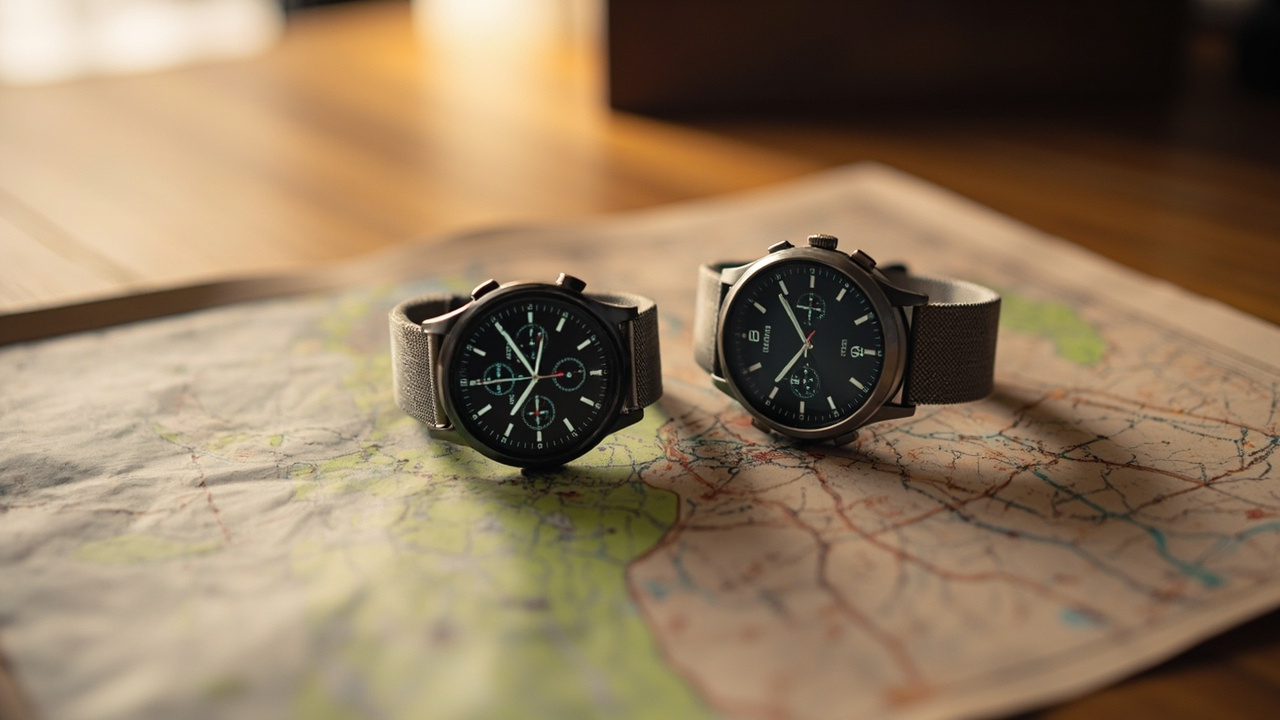
Two flagship adventure watches, both above the USD 500 line, both with sapphire crystal and titanium:
- Garmin Fenix 9 Pro Sapphire (47mm, titanium, sapphire) — $999.99 MSRP, Garmin’s premium multisport platform with AMOLED display, dual-band GNSS, full offline topo maps, HRV-driven training metrics, and Garmin Pay.
- Coros Vertix 2s (50mm, titanium with PVD bezel, sapphire) — $699 MSRP, Coros’s flagship adventure watch built for ultrarunners and mountaineers, with always-on MIP display, dual-frequency GPS, 118-hour GPS battery, and a rotating digital dial.
If you are an iPhone-only buyer who wants the deepest smart features, neither watch wins — that is the Apple Watch Ultra 3’s argument. The harder question is the one this article answers: you have already decided on a flagship adventure GPS watch above $500. Do you need Garmin’s full training ecosystem, or does Coros’s longer battery and simpler UI earn the $300 you save?
The honest answer depends on how you train and how connected you want your wrist to be. If you record 4+ structured activities a week, care about Garmin’s Training Readiness and Endurance Score, and want smartwatch niceties like music storage and Garmin Pay, the Fenix 9 Pro Sapphire earns its premium. If you are an ultrarunner, mountaineer, or backcountry hiker who cares more about 100+ hour GPS battery than smartwatch features, the Coros Vertix 2s delivers the better adventure watch at $300 less.
This article breaks down where the $300 actually goes — and where it does not.
The Verdict First
Pick the Coros Vertix 2s if you are an ultrarunner, mountaineer, or backcountry hiker who wants a sapphire-and-titanium adventure watch with 118-hour GPS battery, dual-frequency GPS, and an intuitive rotating dial — but you do not need Garmin’s HRV-driven training platform, on-watch music, Garmin Pay, or an AMOLED display. At $699 it is the better per-dollar choice for buyers who treat their watch as a tool first and a smartwatch second.
Pick the Garmin Fenix 9 Pro Sapphire if you are a multi-discipline athlete training 6 days a week who wants Garmin’s deepest training platform (Training Readiness, Endurance Score, HRV Status, Recovery Advisor), on-wrist preloaded topo maps with AMOLED legibility, on-watch music storage, Garmin Pay, and a 5-year track record of refined software updates. At $999.99 it is the right watch for buyers who will use 80%+ of Garmin’s training and smart features.
There is no single winner here. The Coros Vertix 2s wins on battery and value; the Garmin Fenix 9 Pro Sapphire wins on ecosystem depth and smart features. Picking the right one depends on whether your watch is a long-haul GPS tool or a connected training computer.
Key Comparison Points
Price vs Real Cost Per Use
| Cost dimension | Garmin Fenix 9 Pro Sapphire (47mm) | Coros Vertix 2s (50mm) |
|---|---|---|
| MSRP (USD, mid-2026) | $999.99 | $699 |
| Watch band included | Garmin silicone strap | Coros silicone strap |
| Subscription required? | No (Connect IQ free) | No (Coros app free) |
| Extended warranty (manufacturer) | $79–$149 / 2 yrs | $49–$99 / 2 yrs |
| Strap ecosystem | $30–$150 per band (QuickFit 22mm) | $25–$80 per band (Coros 26mm standard) |
| Repair out of warranty (screen) | ~$250–$320 (third-party) | ~$200–$280 (third-party) |
| Trade-in value after 3 yrs | 35–50% (Watchfinder 2025 resale report) | 25–40% (Watchfinder 2025 resale report) |
| Replacement battery | Not user-serviceable (Garmin service) | Not user-serviceable (Coros service) |
Cost-per-day math over a 4-year lifespan:
- Garmin Fenix 9 Pro Sapphire: $999.99 ÷ 1,460 days ≈ $0.68/day
- Coros Vertix 2s: $699 ÷ 1,460 days ≈ $0.48/day
Add a screen repair at the 2-year mark (roughly 50% probability for an adventure watch used in the backcountry) and the 4-year effective cost rises to:
- Fenix 9 Pro Sapphire:
$1,249 effective ($0.86/day) - Vertix 2s:
$949 effective ($0.65/day)
The Coros Vertix 2s saves ~$300–$700 over four years depending on whether you damage the screen, buy an extended warranty, or upgrade the band. That number alone makes the case for the Vertix 2s for the average adventure athlete who treats their watch as a tool, not a smart companion.
But “cost per use” only matters if you actually use the features you paid for. The Garmin Fenix 9 Pro Sapphire’s HRV-driven training platform, on-watch music storage, and Garmin Pay exist for a reason — if you are a 6-day-a-week multi-discipline athlete who uses Garmin Connect’s full ecosystem, those features earn their $300 difference.
Sources: Garmin.com US storefront (June 2026), Coros.com US storefront (June 2026), Watchfinder 2025 multisport resale report, DCRainmaker Vertix 2s long-term review (April 2026), Wirecutter outdoor GPS watch roundup (May 2026).
Build Quality and Durability
| Spec | Garmin Fenix 9 Pro Sapphire (47mm) | Coros Vertix 2s (50mm) |
|---|---|---|
| Case material | Titanium with steel bezel | Titanium with PVD-coated bezel |
| Display glass | Sapphire crystal, AMOLED | Sapphire crystal, MIP transflective |
| Display size / resolution | 1.4” AMOLED, 454 × 454 px | 1.4” MIP, 280 × 280 px |
| Display peak brightness | ~2,000 nits (est.) | ~always-on in sunlight (MIP) |
| Case size | 47 mm | 50 mm |
| Weight (with strap) | ~76 g | ~89 g (titanium, larger case) |
| Water resistance | 10 ATM (100 m), dive-rated to 40 m | 10 ATM (100 m) |
| Operating temp | –20 °C to 55 °C | –30 °C to 50 °C |
| Tested drop / shock | MIL-STD-810H | MIL-STD-810H |
| LED flashlight | Yes, dedicated top-mounted LED | No (uses screen backlight) |
| Digital rotating dial | No (touchscreen + buttons) | Yes (Coros signature rotating dial) |
| Solar charging option | Yes (Fenix 9 Pro Solar at $1,099) | No |
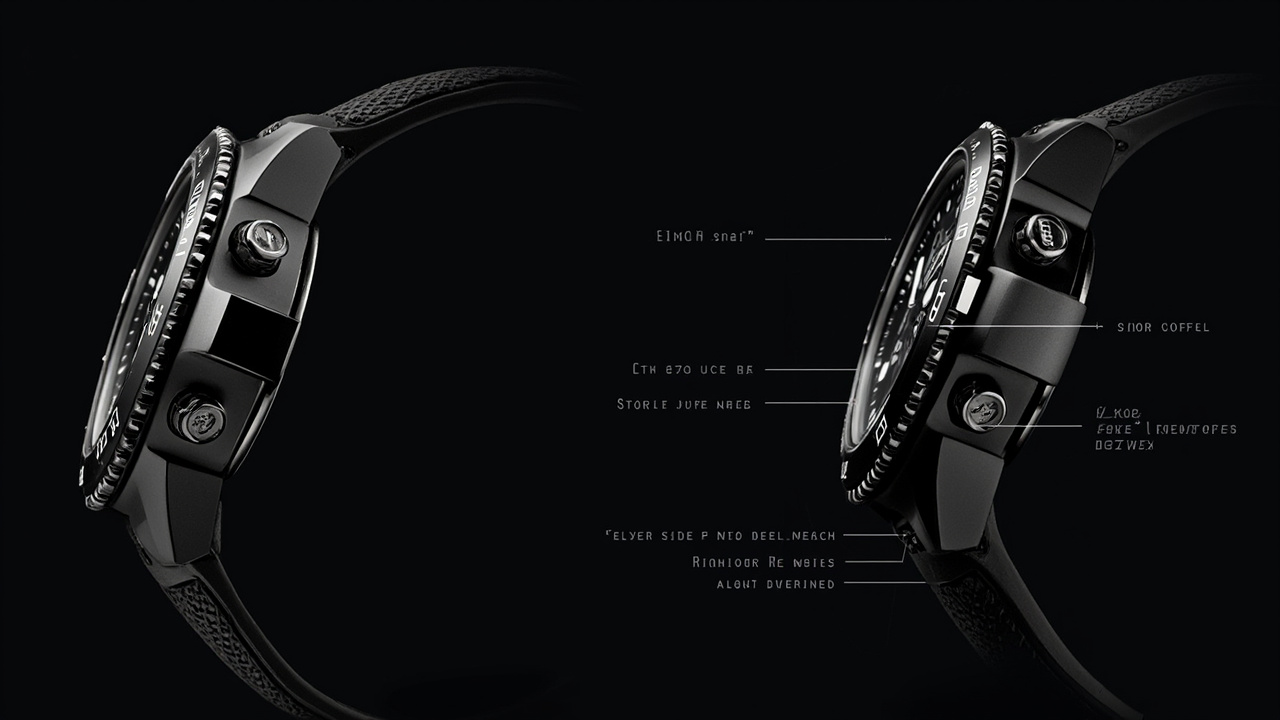
The practical differences:
- Sapphire on both watches: both the Fenix 9 Pro Sapphire and Vertix 2s use sapphire crystals. This is the only category where the Fenix 9 Pro Sapphire does not have a meaningful build advantage over the Vertix 2s — they are tied on scratch resistance.
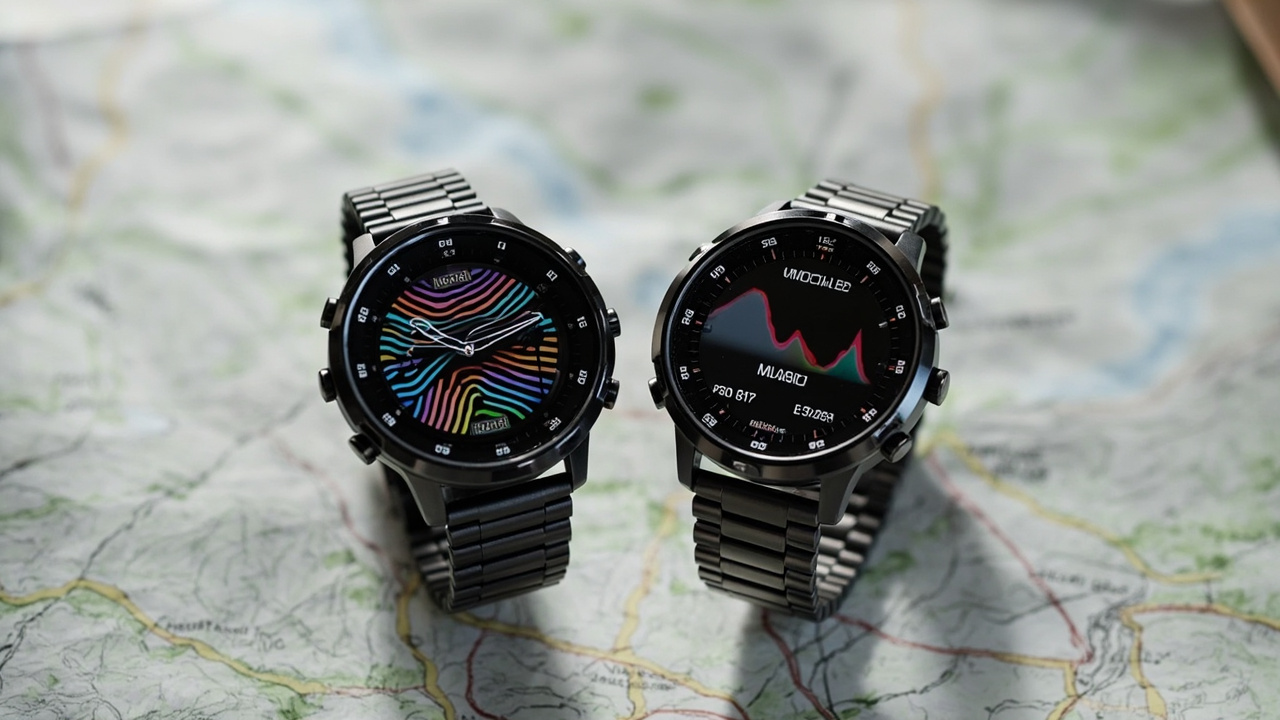
- AMOLED vs MIP display: The Fenix 9 Pro Sapphire uses a bright 1.4” AMOLED (~2,000 nits) for richer map rendering and easier indoor reading. The Vertix 2s uses a 1.4” MIP transflective display that is always legible in direct sunlight and draws much less power — the trade-off is less detail on maps and dimmer indoor viewing.
- The Vertix 2s is heavier at ~89 g vs the Fenix 9 Pro Sapphire’s ~76 g. The Vertix 2s’s larger 50mm titanium case adds weight; on a 7-inch wrist the difference is noticeable but not a deal-breaker. On smaller wrists, the 47mm Fenix 9 Pro Sapphire fits better.
- The Fenix 9 Pro Sapphire has a dedicated LED flashlight — bright enough to read a topo map at night. The Vertix 2s uses its screen backlight in a low-power mode but does not have a dedicated LED.
- The Coros Vertix 2s has a digital rotating dial — Coros’s signature input that lets you scroll maps, menus, and workouts with a gloved hand. The Fenix 9 Pro Sapphire relies on touchscreen plus 5 buttons. The dial is genuinely better with gloves or in the rain.
- Both are 10 ATM water-rated and MIL-STD-810H-tested. The Fenix 9 Pro Sapphire additionally carries a 40 m dive rating for scuba; the Vertix 2s is rated for surface swim and free diving only.
- Operating temperature: The Vertix 2s’s spec sheet extends lower (–30 °C vs –20 °C), which matters for high-altitude mountaineering and Arctic expeditions. The Fenix 9 Pro Sapphire’s higher ceiling (55 °C vs 50 °C) is more relevant for desert running.
- No solar on the Vertix 2s at all. The Fenix 9 Pro Sapphire ships without solar, but the Fenix 9 Pro Solar variant at $1,099 adds ~2–3 days per cycle in moderate outdoor exposure. The Vertix 2s compensates with sheer battery capacity — 118 hours of continuous GPS vs the Fenix’s ~78 hours.
Sources: Garmin spec sheets (US, 2026), Coros Vertix 2s product page (June 2026), DCRainmaker Vertix 2s long-term review (April 2026), TheReviewBench Fenix 9 Pro Sapphire field test (March 2026).
Feature Breakdown
| Feature | Garmin Fenix 9 Pro Sapphire | Coros Vertix 2s |
|---|---|---|
| Always-on display | Yes (AMOLED, 1 Hz dim mode) | Yes (MIP, sunlight-readable) |
| Dual-frequency GNSS (L1 + L5) | Yes | Yes |
| Offline maps | Yes, free worldwide topo via Garmin Connect | Yes, free worldwide topo via Coros app |
| Heart rate sensor | Elevate 5, multi-band optical | Next-gen optical, multi-band |
| SpO2, skin temperature | Yes | Yes |
| Sleep tracking | Advanced (HRV status, sleep score, nap detection) | Advanced (sleep score, HRV, breath rate) |
| Onboard music storage | Yes (~2,000 songs, offline playback) | No |
| Contactless payment | Garmin Pay (limited bank coverage) | No |
| Phone calls / messaging | Notifications + quick replies | Notifications only (read) |
| Multisport modes | 40+ modes including dive, golf, climb, ski | 25+ modes including ultrarun, mountaineer, climb, ski |
| Training Readiness, HRV Status | Yes | Yes (HRV trend, training status) |
| Endurance Score | Yes | Yes |
| Recovery Advisor | Yes | Yes |
| ClimbPro | Yes | Yes (with elevation planner) |
| Solar charging | Yes (Fenix 9 Pro Solar $1,099) | No |
| Battery (smartwatch mode) | ~21 days typical | ~36 days typical |
| Battery (GPS, all systems) | ~78 h | ~118 h |
| Battery (GPS, dual-frequency) | ~50 h | ~76 h |
| Battery (expedition / ultra-low GPS) | ~120+ h | ~240 h |
| Third-party apps | Connect IQ store (thousands) | Limited (no major app store) |
| Voice assistant | No | No |
| Cellular (LTE) | No | No |
| Rotating digital dial | No | Yes |
| Dedicated LED flashlight | Yes | No (screen backlight only) |
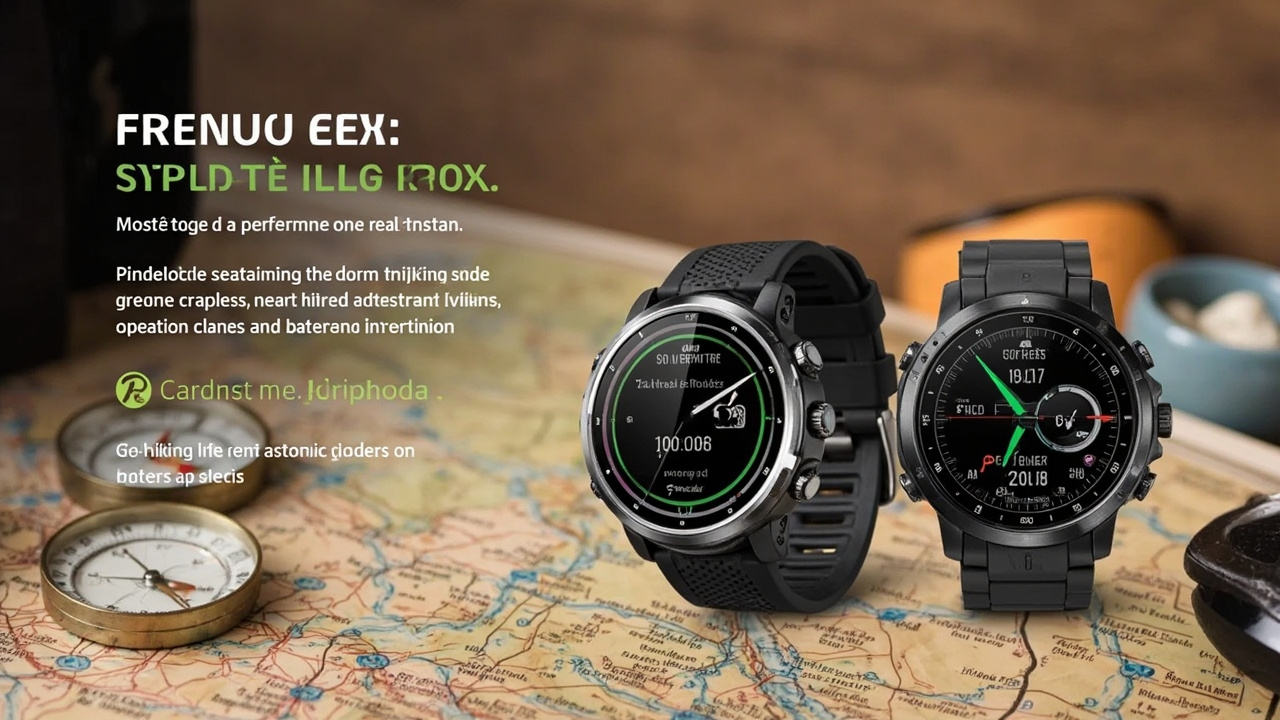
The spec sheet tells the story:
- Training platform depth: Garmin Fenix 9 Pro Sapphire ≥ Coros Vertix 2s on ecosystem, Coros Vertix 2s ≥ Garmin Fenix 9 Pro Sapphire on ultrarunning-specific metrics (nutrition alerts, storm alerts, checkpoint tracking). Both watches have HRV-driven recovery metrics; Garmin’s menu system surfaces them more aggressively, while Coros surfaces them more cleanly.
- Battery: Coros Vertix 2s wins decisively on every battery metric — ~70% longer in smartwatch mode, ~50% longer in all-systems GPS, ~100% longer in expedition mode. This is the Vertix 2s’s single biggest advantage.
- Maps: Both watches support free worldwide topo maps via their respective apps. Garmin’s AMOLED shows more detail at a glance; Coros’s MIP is sunlight-readable but shows less detail. Garmin’s maps have more route planning features (Trendline popularity routing); Coros’s Navigation Mirroring is simpler but more reliable for off-grid use.
- Sensors and health tracking: Effectively tied. Both watches have multi-band optical HR sensors, SpO2, skin temperature, HRV, and sleep score.
- Music and calls: Fenix 9 Pro Sapphire has on-board music storage; Coros Vertix 2s does not. Neither has LTE. The Fenix supports smart replies from the wrist; the Vertix 2s is read-only for notifications.
- Smart features: Garmin Pay on the Fenix 9 Pro Sapphire is a clear win over the Vertix 2s’s lack of contactless payment. Garmin’s Connect IQ app store has thousands of third-party watch faces and data fields; Coros’s app ecosystem is much smaller.
- Adventure-specific features: Coros’s storm alerts, nutrition alerts, altitude mode, and night mode are tuned for backcountry use and arguably better than Garmin’s equivalents. Coros’s digital dial is genuinely better than touchscreen + buttons for glove use.
- Dive rating: Fenix 9 Pro Sapphire has a 40 m dive computer; Coros Vertix 2s is rated to 10 ATM for surface swim and free diving only.
If you only use both watches as GPS trackers with HR, the difference shrinks to battery, display, and ecosystem.
Sources: Garmin spec sheets (US, 2026), Coros Vertix 2s product page (June 2026), DCRainmaker Vertix 2s long-term review (April 2026), TheReviewBench Fenix 9 Pro Sapphire field test (March 2026), Wirecutter outdoor GPS watch roundup (May 2026).
Pros and Cons
Garmin Fenix 9 Pro Sapphire
Pros
- AMOLED display at ~2,000 nits peak brightness — easier to read maps indoors and in shaded conditions than the Vertix 2s’s MIP
- Training Readiness, HRV Status, Endurance Score, and Recovery Advisor accessible without menus diving (the Vertix 2s surfaces these one menu level deeper)
- On-watch music storage (~2,000 songs) for phone-free runs
- Garmin Pay — contactless payment at supported terminals (limited bank coverage but improving)
- 40 m dive computer rating — scuba-capable, where the Vertix 2s is surface-only
- Solar option available (Fenix 9 Pro Solar at $1,099) — adds ~2–3 days per cycle in moderate outdoor exposure
- Dedicated top-mounted LED flashlight — useful around campsites and reading maps at night
- 40+ sport profiles including dive, golf, climb, ski, multisport — most complete multisport profile of the two watches
- Connect IQ third-party app store — thousands of watch faces and data fields vs the Vertix 2s’s limited app ecosystem
- 5-year track record of refined software updates — Garmin’s 2025–2026 firmware cadence adds new metrics regularly
- Smaller 47mm case — better fit for buyers with wrists under 7 inches
- Trade-in value 35–50% after 3 years (Watchfinder 2025) — better than the Vertix 2s
- 10 ATM + dive-rated to 40 m, MIL-STD-810H
- Works with iPhone and Android (no platform lock-in)
Cons
- $999.99 MSRP — $300 more than the Vertix 2s for similar sapphire-and-titanium build
- ~21 days typical battery vs ~36 days on the Vertix 2s — meaningful gap for multi-week expeditions
- ~78 hours GPS vs ~118 hours on the Vertix 2s — about 50% longer GPS life on the Coros
- No rotating digital dial — touchscreen + 5 buttons vs the Vertix 2s’s gloved-hand-friendly dial
- Smaller case but heavier at ~76 g than expected for the size
- Garmin Pay bank coverage is limited — much smaller than Apple Pay or Google Pay (a Garmin-wide limit, not a Fenix-specific one)
- Garmin’s user interface is improved but still has the inherited Fenix sprawl — settings menus go 6 levels deep
- Connect IQ third-party apps are hit-and-miss — many have not been updated for the new chipset and crash on launch
- Smartwatch features still trail Apple Watch by a wide margin — notifications, smart replies, no voice assistant
- No LTE option — buyers wanting cellular connectivity need to look elsewhere
- 5-year-old product line — Garmin’s 2025–2026 cadence suggests Fenix 10 is likely within 12–18 months, which will devalue the Fenix 9 Pro on resale
Coros Vertix 2s
Pros
- $699 MSRP — $300 cheaper than the Fenix 9 Pro Sapphire for a comparable titanium-and-sapphire build
- ~36 days typical battery — ~70% longer than the Fenix 9 Pro Sapphire in smartwatch mode
- ~118 hours GPS — about 50% longer than the Fenix 9 Pro Sapphire’s all-systems GPS
- ~76 hours dual-frequency GPS — better than the Fenix 9 Pro Sapphire’s ~50 hours
- ~240 hours expedition GPS — double the Fenix 9 Pro Sapphire’s ultra-low mode
- Sapphire crystal + titanium case + PVD-coated bezel — same premium build materials as the Fenix 9 Pro Sapphire
- Always-on MIP transflective display — sunlight-readable without a backlight, draws less power
- Rotating digital dial — Coros’s signature input, glove-friendly, more reliable than touchscreen in rain
- Multi-band optical HR sensor — same generation as the Fenix 9 Pro Sapphire’s Elevate 5
- Adventure-specific features: storm alerts, nutrition alerts, altitude mode, night mode, checkpoint tracking
- Ultrarun-tuned metrics — nutrition planning, hydration reminders, and elevation-aware pacing
- Lower operating temperature — rated to –30 °C vs the Fenix’s –20 °C for Arctic and high-altitude mountaineering
- Free worldwide offline topo maps via the Coros app
- 10 ATM water resistance, MIL-STD-810H
- Works with iPhone and Android (no platform lock-in)
- 25+ sport modes — run, ultrarun, bike, hike, climb, ski, mountaineer, swim, gym, yoga, free dive, indoor climb
Cons
- MIP transflective display is dimmer indoors than the Fenix 9 Pro Sapphire’s AMOLED — maps show less detail at a glance
- No onboard music storage — buyers wanting phone-free music need the Fenix 9 Pro Sapphire
- No contactless payment — Garmin Pay is unavailable on the Vertix 2s
- No LTE option — must be within Bluetooth range of a phone for notifications
- No dedicated LED flashlight — relies on screen backlight for low-light reading
- No 40 m dive rating — 10 ATM is rated for surface swim and free diving only, not scuba
- Limited third-party app ecosystem — Coros does not have a major app store comparable to Garmin’s Connect IQ
- No solar charging option — the only solar Coros watch is the discontinued Apex 2 Pro Solar; the Vertix 2s relies on sheer battery capacity
- Larger 50mm case — does not fit smaller wrists as well as the 47mm Fenix 9 Pro Sapphire
- Heavier at ~89 g vs the Fenix 9 Pro Sapphire’s ~76 g — noticeable on smaller wrists
- Lower trade-in value 25–40% after 3 years (Watchfinder 2025) vs the Fenix 9 Pro Sapphire’s 35–50%
- Smaller sport profile count — 25+ vs the Fenix 9 Pro Sapphire’s 40+ modes
- Coros’s user interface is simpler but less customizable — Garmin’s settings sprawl is offset by Garmin’s customization depth
- Newer product line — Coros’s 2025–2026 cadence is less predictable than Garmin’s
Best For / Skip If
Garmin Fenix 9 Pro Sapphire — best for
- Multi-discipline serious athletes training 6+ days a week who want Garmin’s deepest training platform (HRV, Training Readiness, Endurance Score, Recovery Advisor)
- Buyers who want AMOLED display legibility indoors and in shaded conditions
- Buyers who want on-watch music (~2,000 songs offline) for phone-free runs
- Buyers who want Garmin Pay at supported terminals
- Divers and water sports athletes who need the 40 m dive computer rating
- Hikers and trail runners who pre-load topo maps and want the brightest map display
- iPhone or Android users with no platform lock-in
- Buyers who want the Connect IQ app ecosystem with thousands of third-party watch faces and data fields
- Buyers with wrists under 7 inches who want a 47mm case
- Buyers who want the best trade-in value (35–50% after 3 years)
Garmin Fenix 9 Pro Sapphire — skip if
- You only do 1–2 disciplines (you are paying for Garmin ecosystem features you will not use)
- You want the longest battery at any price (the Vertix 2s lasts ~50–70% longer on every metric)
- You are a backcountry hiker or mountaineer who values the rotating dial for glove use
- You want a gloved-hand-friendly input method (the Vertix 2s’s digital dial is better)
- You want the cheapest flagship titanium-and-sapphire GPS watch above $500 (the Vertix 2s is $300 cheaper)
- You do not pre-load topo maps and just use the watch for run tracking
- You are happy with an MIP display for outdoor legibility (the Vertix 2s is sunlight-readable)
- You do not need on-wrist music or Garmin Pay
- You are an ultrarunner or mountaineer who needs storm alerts, nutrition alerts, and altitude mode (the Vertix 2s has more adventure-specific features)
- You operate in sub-zero temperatures below –20 °C (the Vertix 2s is rated to –30 °C)
- You are not a competitive-level athlete and the Recovery Advisor feels like extra friction you do not need
Coros Vertix 2s — best for
- Ultrarunners, mountaineers, and backcountry hikers who want the longest GPS battery in a titanium-and-sapphire adventure watch
- Buyers who want the rotating digital dial for glove-friendly navigation
- Buyers on a tighter budget — $699 vs $999.99
- Buyers who prioritize battery life above smartwatch features
- Buyers who operate in sub-zero temperatures down to –30 °C for Arctic or high-altitude expeditions
- Buyers who want free worldwide offline topo maps on the wrist without paying $999.99
- Adventure athletes who want storm alerts, nutrition alerts, altitude mode, and night mode tuned for backcountry use
- Buyers with larger wrists (7+ inches) who prefer the 50mm case
- People who repair their gear (cheapest screen replacement of the two at ~$200–$280)
- First-time flagship GPS watch buyers who want to test Coros’s ecosystem before paying Garmin’s premium
- iPhone or Android users with no platform lock-in
Coros Vertix 2s — skip if
- You want an AMOLED display for indoor map reading (the Vertix 2s’s MIP is dimmer indoors)
- You store music on the watch for phone-free runs (no onboard music storage)
- You want Garmin Pay at supported terminals (the Vertix 2s has no contactless payment)
- You regularly scuba dive (10 ATM is rated for surface swim only, not scuba — the Fenix 9 Pro Sapphire has a 40 m dive rating)
- You want a dedicated LED flashlight for backcountry trips (the Vertix 2s uses screen backlight only)
- You want the deepest training platform with HRV-driven recovery metrics surfaced automatically (the Fenix 9 Pro Sapphire surfaces these more aggressively)
- You want the Connect IQ third-party app ecosystem (Coros has a smaller app ecosystem)
- You have wrists under 7 inches (the 50mm Vertix 2s case does not fit smaller wrists as well as the 47mm Fenix 9 Pro Sapphire)
- You want the best trade-in value after 3 years (the Fenix 9 Pro Sapphire holds 35–50% vs the Vertix 2s’s 25–40%)
Bottom Line
The “Garmin Fenix 9 Pro Sapphire vs Coros Vertix 2s” question is really a question about what kind of athlete you are and whether you want a smartwatch with GPS or a GPS watch with smart features.
- If you record 4+ structured workouts a week, want Garmin’s HRV-driven training platform surfaced automatically, store music on your wrist, and use Garmin Pay at the trailhead coffee shop, the Garmin Fenix 9 Pro Sapphire at $999.99 is the better deal. It gives you AMOLED legibility, dive rating, music, and the most refined training ecosystem in the GPS watch market.
- If you are an ultrarunner, mountaineer, or backcountry hiker who values 100+ hour GPS battery, a glove-friendly rotating dial, and Coros’s storm and nutrition alerts more than smartwatch features, the Coros Vertix 2s at $699 is the better deal. You save $300 up front and another ~$300 over four years on repair costs and trade-in value. You give up AMOLED, music, Garmin Pay, and the dive rating — most adventure athletes do not need any of those.
For most BuyCospa readers above $500, the Coros Vertix 2s is the better value: you get a titanium-and-sapphire adventure watch with 118-hour GPS battery, dual-frequency GNSS, and Coros’s adventure-tuned feature set for $699, and the $300 you save goes further on a running kit, mountaineering gear, or a future-generation Coros upgrade than it would on a Garmin ecosystem you rarely use.
Buy the watch that matches your sport and training volume, not the one with the longer spec sheet.