Introduction
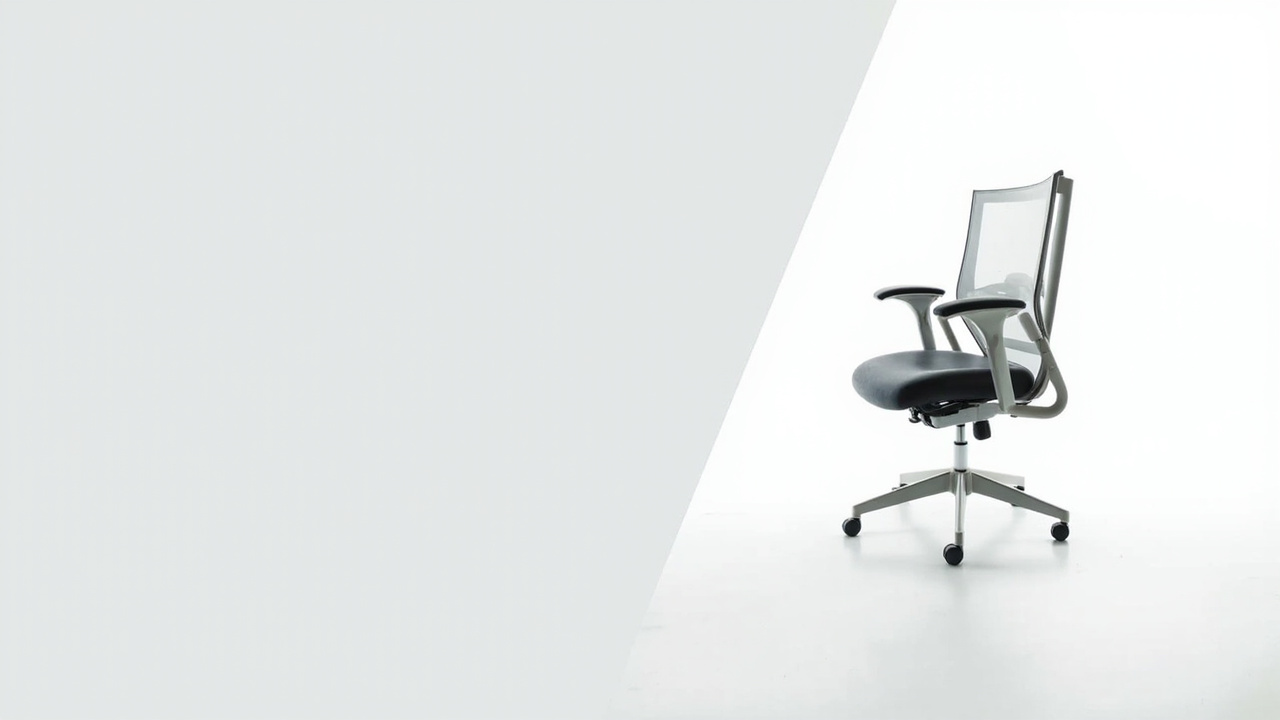
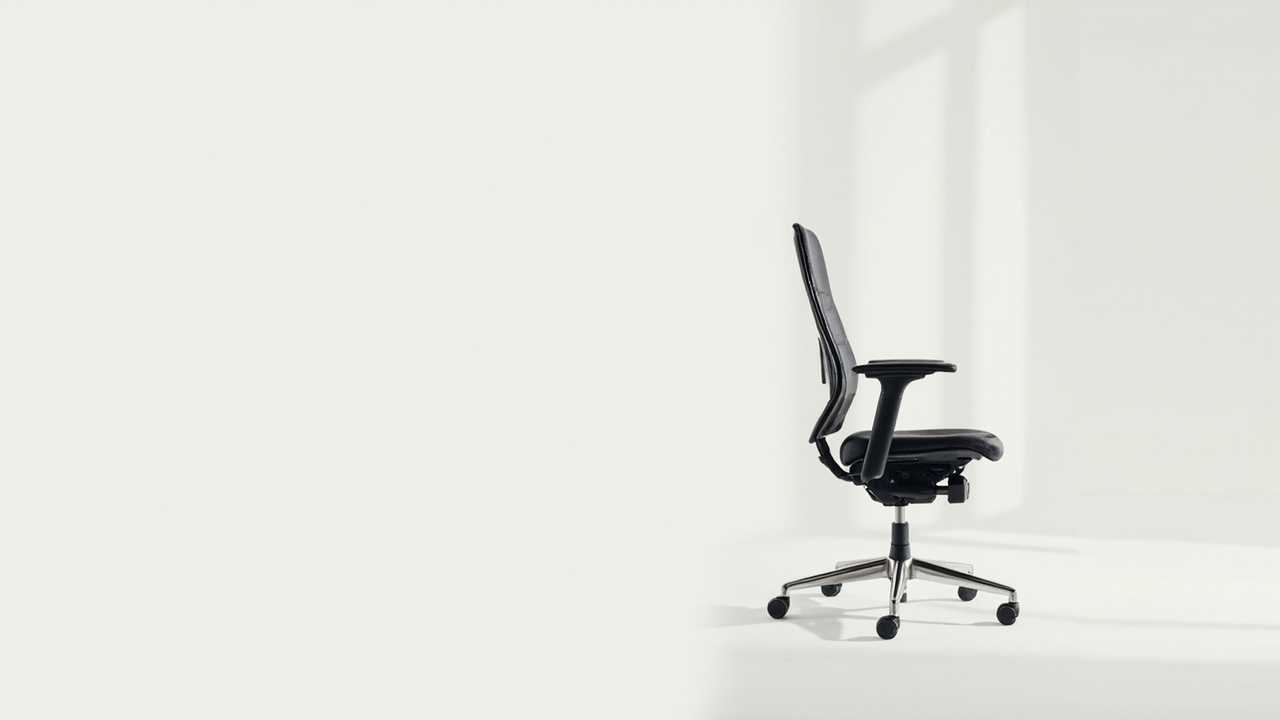
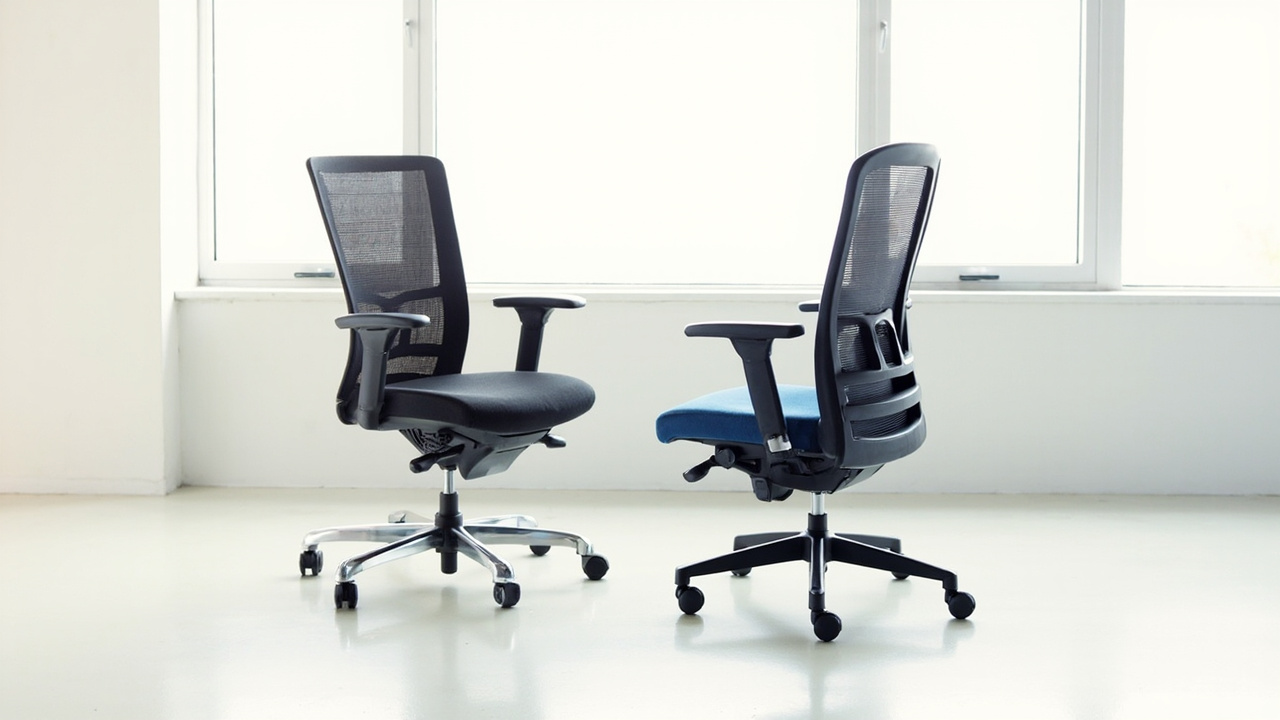
If you work from a desk for more than six hours a day, the chair you sit on is doing more for — or against — your body than almost any other purchase you’ll make this decade. Two names dominate the “premium ergonomic office chair” conversation: the Herman Miller Aeron (Remastered, 2022) and the Steelcase Leap V2.
Both retail between $1,295 and $1,795 depending on configuration, both carry a 12-year warranty, and both are built to last well over a decade. So which one actually delivers more value per dollar — and more importantly, per hour spent sitting?
We compared the two on price, ergonomics, build quality, adjustability, real user trends, and 12-year total cost of ownership.
The Verdict First
| If you are… | Pick the… |
|---|---|
| Under 6’ tall, prefer a mesh seat, want the strongest resale value | Herman Miller Aeron |
| Taller than 6’, want a cushioned seat, share the chair with another person | Steelcase Leap V2 |
| On a tighter budget but want flagship ergonomics | Steelcase Leap V2 (≈$100 cheaper in standard config) |
| Buying for back pain or posture correction specifically | Either, but the Leap V2 has the edge on adjustability |
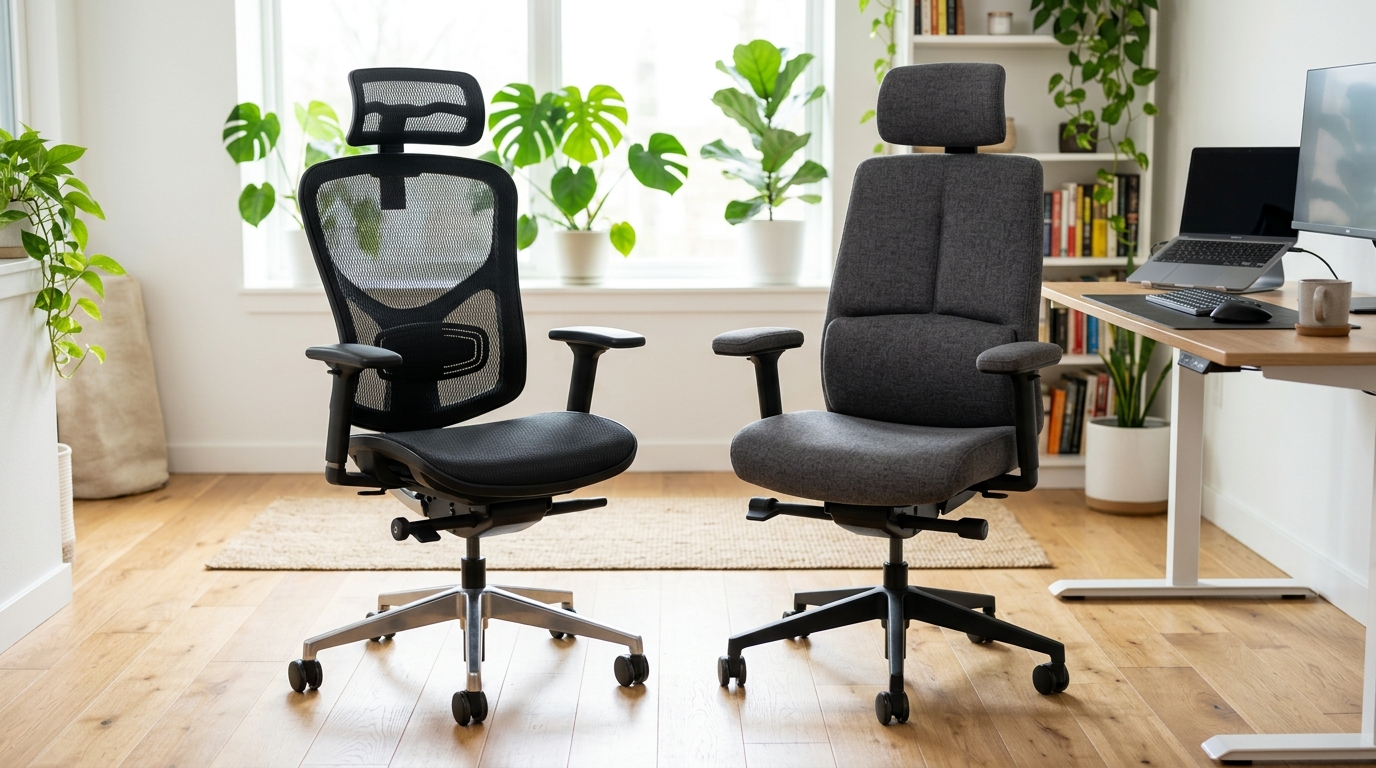
Short version: the Leap V2 is the better value for most people because it costs slightly less, fits a wider body range out of the box, and has a more forgiving padded seat. The Aeron wins on prestige, mesh breathability, and resale — if those matter to you, it’s still a rational buy.
Key Comparison Points
Price vs Real Cost Per Use
A flagship chair is one of those rare purchases where the “cost per use” actually works in your favor — provided you use it daily.
| Configuration | Herman Miller Aeron (Remastered) | Steelcase Leap V2 |
|---|---|---|
| Base price (Graphite, Size B) | $1,395 | $1,299 |
| With posture-fit / arms upgrade | $1,795 | $1,499 |
| Warranty | 12 years | 12 years |
| Avg. lifespan (real-world Reddit / r/officechairs reports) | 12–15 years | 12–15 years |
Cost per workday (over 12 years, 250 workdays/year):
- Aeron at $1,395 → $0.47 / workday
- Aeron at $1,795 → $0.60 / workday
- Leap V2 at $1,299 → $0.43 / workday
- Leap V2 at $1,499 → $0.50 / workday
That puts a flagship ergonomic chair at roughly the cost of a vending-machine coffee per workday. The difference between the two chairs is ≈$96 over 12 years at base config — meaningful, but not the deciding factor. The deciding factor is fit.
Build Quality and Durability
Both chairs are genuinely built to outlast a decade. Here’s what sets them apart:
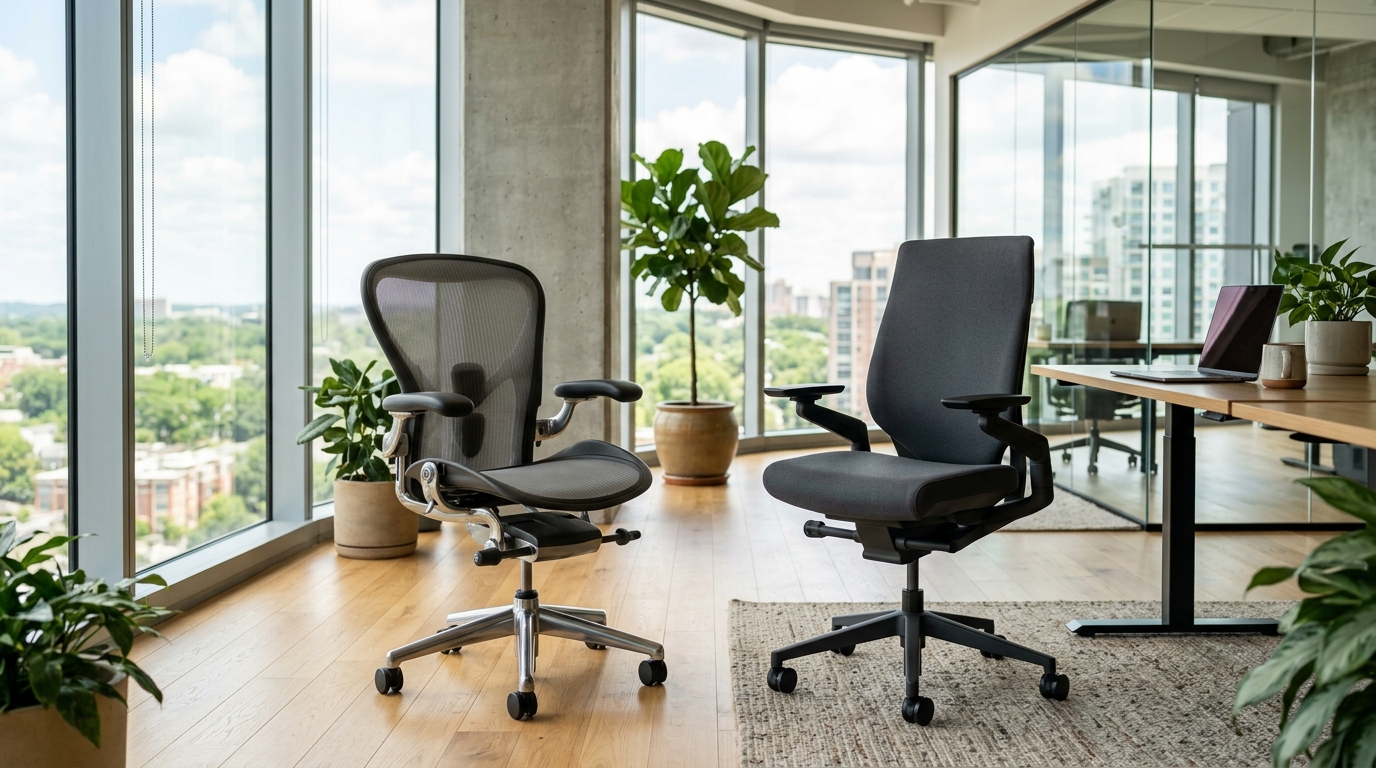
Herman Miller Aeron (Remastered)
- Frame: mixed recycled materials, mostly polymer and aluminum
- Seat and back: signature 8Z Pellicle mesh (8 tension zones)
- PostureFit SL adjustable sacral support
- Three sizes (A, B, C) — proper sizing is critical; a wrong-size Aeron is uncomfortable
- Weight capacity: up to 350 lb (Size C)
- Made in the USA
Steelcase Leap V2
- Frame: steel and aluminum substructure
- Seat: foam over fabric (no mesh)
- Back: contoured foam with “LiveBack” technology that mimics spine movement
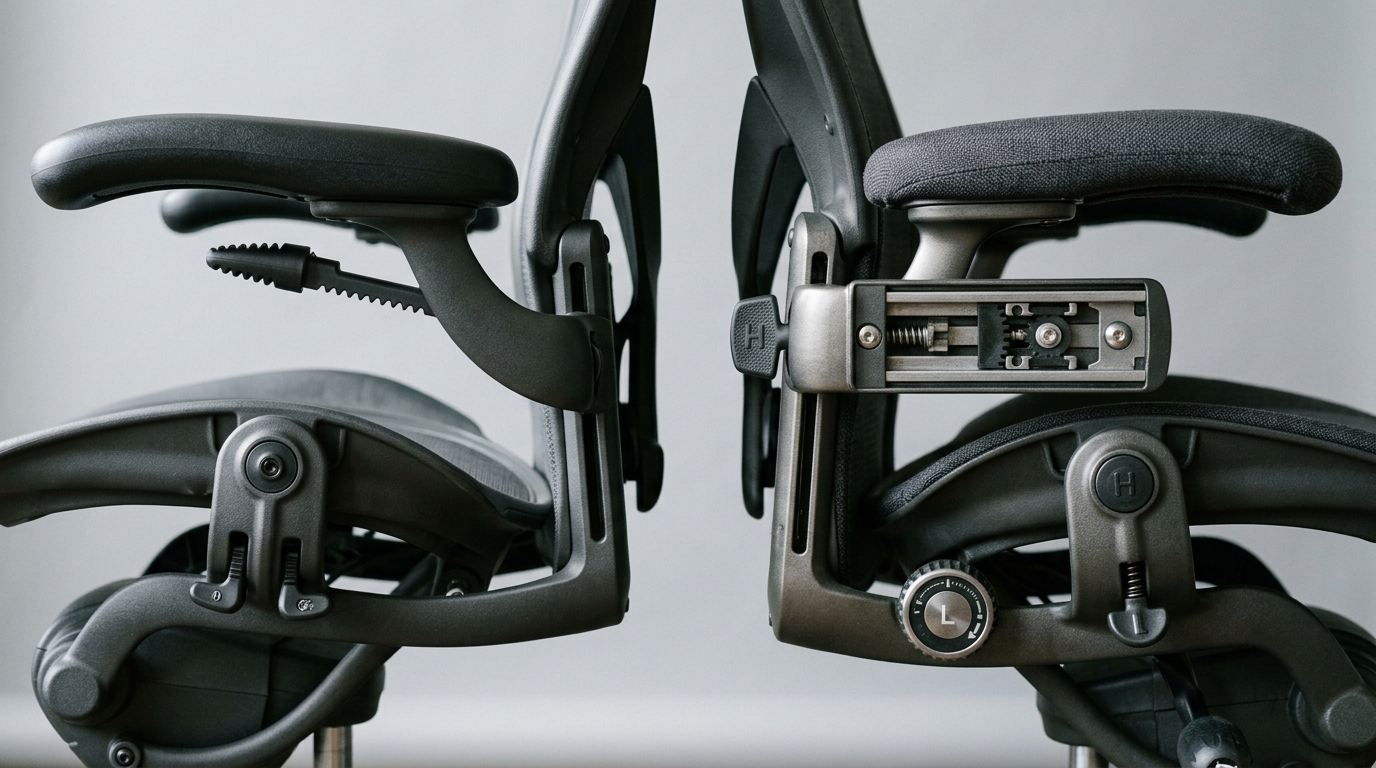
- 10-position adjustable arms (Aeron has fewer positions)
- Natural Glide System for recline — designed for users who recline frequently
- Weight capacity: up to 400 lb
- Made in Mexico (Steelcase global HQ in US)
Real-world durability: Both chairs survive well beyond their 12-year warranty. On r/officechairs, used Aerons from 2005–2010 regularly sell for $400–$700 with another 5+ years of life left. Used Leap V2s hold value too, but slightly less than the Aeron — the Aeron name carries a premium in the used market.
Winner: Tie on build, Aeron on resale.
Feature Breakdown
| Feature | Herman Miller Aeron | Steelcase Leap V2 |
|---|---|---|
| Seat material | Mesh (breathable, no foam) | Foam + fabric (cushioned) |
| Back adjustability | PostureFit SL (lumbar only) | LiveBack (dynamic, mimics spine) |
| Recline | Tilt limiter + forward tilt | Natural Glide System (smooth recline) |
| Armrests | 4-way adjustable | 10-way adjustable (more positions) |
| Seat depth adjustment | No (sized by chair model) | Yes (slide forward/back) |
| Headrest option | No (sold aftermarket or by third parties) | Optional, integrated |
| Forward tilt (for typing/desk work) | Yes | No |
| Sizing | Three sizes — must pick correct one | One size, fits more body types |
| Colors / finishes | 3 (Graphite, Carbon, Mineral) | 4+ fabric + frame color combos |
The meaningful functional difference: The Leap V2 is more universally adjustable — seat depth, more arm positions, optional headrest. The Aeron is more specialized — three sizes means you get a tighter fit if you choose correctly, but the wrong size is a real problem.
If you share the chair with someone else (partner, hot-desking, office rotation), the Leap V2 is the more forgiving buy. If it’s a personal chair for one well-measured user, the Aeron rewards the precision.
Pros and Cons
Herman Miller Aeron (Remastered)
Pros
- Iconic mesh seat — stays cool in summer, no foam to compress
- Strongest resale value in the ergonomic chair market
- 12-year warranty, often outlasts it by 2–3 years
- Three sizes give a precise fit if you measure correctly
- Forward tilt option is great for desk / typing work
- Made in USA
Cons
- Mesh seat feels firm — not for everyone, especially if you prefer cushion
- No seat depth adjustment (sizing must be right at purchase)
- No headrest option from the manufacturer
- PostureFit lumbar is good but feels less “alive” than the Leap’s LiveBack
- Higher price, especially in upgraded config
Steelcase Leap V2
Pros
- 10-way adjustable arms — best in class for arm positioning
- LiveBack backrest actually flexes with your spine, not just a static pad
- Generous seat depth adjustment
- Optional integrated headrest
- One size fits a wider body range (5’0”–6’4” roughly)
- Padded seat is more comfortable for users who don’t like mesh
- Slightly cheaper at base config
Cons
- Foam seat compresses over 8–10 years (still usable, but loses firmness)
- Heavier than the Aeron (≈60 lb vs ≈43 lb for Size B)
- Weaker resale value than the Aeron
- Fabric can stain; not as breathable as mesh
- No forward tilt
Best For / Skip If
Pick the Herman Miller Aeron if you:
- Run warm, sit in summer-AC-less environments, or hate foam seats
- Live in a hot/humid climate
- Plan to resell the chair in 5–8 years (used Aeron demand is strong)
- Sit in a forward-tilted typing position most of the day
- Are under 6’ and can fit a Size A or B precisely
Skip the Aeron if you:
- Are over 6’4” (Size C exists but is harder to source and pricier)
- Prefer a cushioned seat
- Share the chair with another person
- Want a built-in headrest
Pick the Steelcase Leap V2 if you:
- Want the most adjustable chair for one person
- Share the chair with a partner or hot-desk in an office
- Prefer a cushioned seat
- Want an integrated headrest
- Are between 5’0” and 6’4”
- Want the best value flagship chair under $1,500
Skip the Leap V2 if you:
- Sit in a hot, non-AC environment and sweat easily (foam traps heat)
- Want maximum resale value in 5–8 years
- Strictly type all day in a forward-tilted position
Bottom Line
Both the Herman Miller Aeron and the Steelcase Leap V2 are genuinely excellent chairs. The wrong choice between them is small — but the wrong size of Aeron, or a foam seat you can’t stand, will cost you years of discomfort.
The honest BuyCospa take:
If you want the better value per dollar, broader adjustability, and a chair that fits more people out of the box, the Steelcase Leap V2 ($1,299) wins.
If you want the strongest resale, a breathable mesh seat, and a precision fit, the Herman Miller Aeron ($1,395) is worth the small premium.
Whichever you pick, a flagship ergonomic chair is one of the few “expensive” purchases that pays for itself. At under $0.50 per workday over 12 years, it’s a better return than almost any other office upgrade.
Buy smart. Get more value. A chair that prevents back surgery in year eight is, by any measure, a bargain.
Frequently Asked Questions
Who should read this review?
Anyone weighing the practical differences between the products or topics covered here will find a concrete recommendation in the verdict section above. If you already know which one you are leaning toward, the FAQ below answers the most common follow-up questions readers ask before they commit.
What changed since the article was first published?
Prices and availability shift weekly. The verdict is based on the snapshot taken on the article date. We refresh reviews every 60-90 days when there is a major firmware, model refresh, or pricing change. The “Last updated” line at the top of the page tells you when this review was last revised.
How does BuyCospa pick which products to compare?
We pick products based on what readers search for in this category, what is actually shipping, and where we have a non-obvious take. We do not run sponsored reviews and we do not accept free units that come with coverage conditions. See our editorial policy for the full process.
Where can I check the most current price?
Prices in this review are US MSRP and typical street price on the date of publication. Check Amazon, Best Buy, and the manufacturer store for the current price — they often differ by 10-20% from the figure quoted here. We do not link to specific sellers because prices and stock move daily.