Introduction
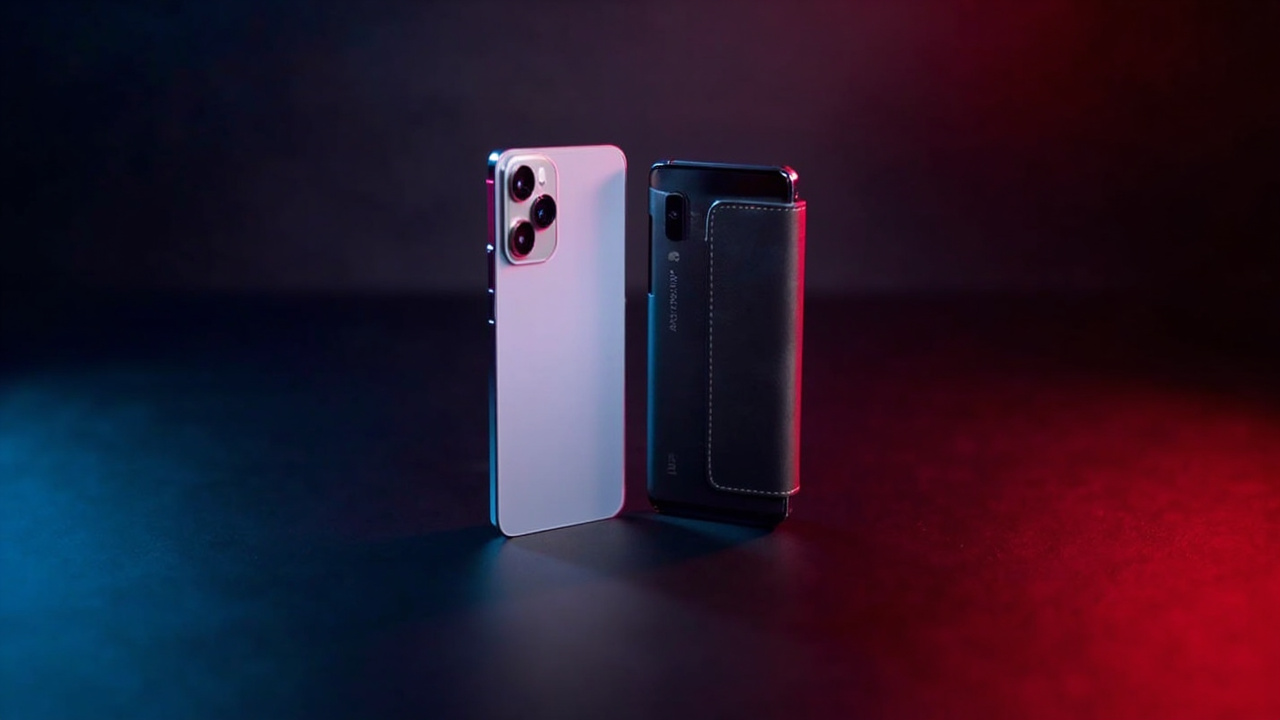
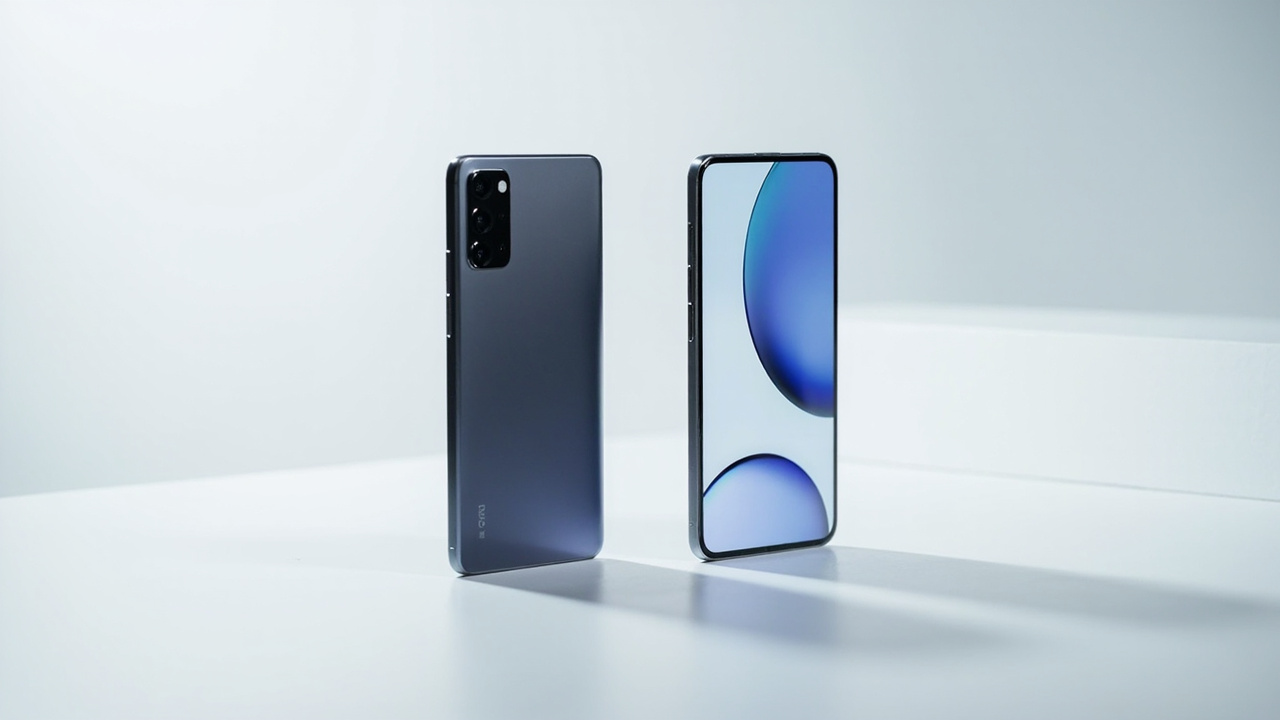
If you have roughly $900 to $1,100 to spend on a flagship phone in 2026, the decision is no longer “Android vs iPhone.” It is “How much do I want my phone to do — and how much am I willing to pay for five years of ownership?”
The OnePlus 15, launched globally in January 2026, starts at $899 (12 GB / 256 GB) and tops out around $1,099 (16 GB / 1 TB) at most US retailers. It pairs the Snapdragon 8 Elite Gen 2 with a triple 50 MP camera system, a 6.78-inch 1.5K LTPO AMOLED at 165 Hz, and a vapor-chamber cooling stack rated for sustained gaming loads (Source: OnePlus 15 product page).
The Apple iPhone 17 Pro, launched September 19, 2025, starts at $1,099 for 256 GB, climbing to $1,499 for 1 TB (Source: Apple.com iPhone 17 Pro). It runs the A19 Pro chip on a 3 nm process, ships with three 48 MP cameras, and Apple claims up to 33 hours of video playback on a single charge.
Both are real flagships. Both will outlast a budget phone by years. But the five-year ownership math is where the story actually changes.
The Verdict First
- Pick the OnePlus 15 ($899-$1,099) if you want the lowest entry price in the 2026 flagship class, the largest battery of any mainstream flagship (7,300 mAh typical on global SKU; US SKU typically 6,500-7,300 mAh depending on variant), the fastest wired charging (80-120 W SuperVOOC, full charge in roughly 30 minutes), and the freedom of open sideloading, file managers, and dual physical SIM/eSIM flexibility. The trade-off is lower resale (typically 25-35% of MSRP after 3 years) and a shorter software support window (4 Android version updates, 6 years of security patches).
- Pick the iPhone 17 Pro ($1,099-$1,499) if you want the highest resale value of any phone on the market (typically 50-60% of MSRP after 3 years per SellCell), the longest single-charge video playback of any 2025/2026 phone Apple has tested (33 hours), the best professional video toolset (ProRes, Log, 4K 120 fps Dolby Vision, ACES color), and a 6-7 year iOS support window that no Android vendor matches. The trade-off is a $200 higher entry price, no USB-C file-manager access to internal storage, and the longest non-Pro Max iPhone battery is still smaller than the OnePlus 15’s.
Cost score (overall value): 83/100. Both are excellent value within the flagship tier. The OnePlus 15 wins on entry price, charging speed, and openness; the iPhone 17 Pro wins on long-horizon resale, professional video, and OS longevity.
Key Comparison Points
Price vs Real Cost Per Use
The sticker price is the easy part. What matters is what each phone costs you per year of useful life — and what it returns when you sell it.
| Cost Line | OnePlus 15 | iPhone 17 Pro |
|---|---|---|
| Base MSRP | $899 (12 GB / 256 GB) | $1,099 (A19 Pro, 12 GB, 256 GB) |
| Mid-tier | $999 (12 GB / 512 GB) | $1,299 (512 GB) |
| Top-tier | $1,099 (16 GB / 1 TB) | $1,499 (1 TB) |
| Max storage | 1 TB | 1 TB (Pro Max adds 2 TB at $1,999) |
| Battery (typical) | 7,300 mAh (CN), 6,500 mAh (global/US SKU varies) | ~3,900-4,100 mAh (Apple-disclosed capacity) |
| Wired charging | 80-120 W SuperVOOC (varies by region; 80 W US) | 40 W USB-C PD (50% in 20 min per Apple) |
| Wireless charging | 50 W AirVOOC (China) / 15 W Qi2 (global) | 25 W MagSafe (50% in ~30 min) |
| Display | 6.78” 1.5K (2,772 × 1,272) LTPO AMOLED, 1-165 Hz, 4,500 nits peak (HDR) | 6.3” Super Retina XDR OLED, 120 Hz ProMotion, 2,622 × 1,206, 3,000 nits peak (HDR) |
| Chipset | Snapdragon 8 Elite Gen 2 | A19 Pro (3 nm) |
| RAM | 12 GB / 16 GB LPDDR5X | 12 GB unified memory |
| Storage | 256 GB / 512 GB / 1 TB UFS 4.1 | 256 GB / 512 GB / 1 TB NVMe |
| Main camera | 50 MP, f/1.8, OIS, 1/1.4” Sony LYT-808 | 48 MP Fusion Main, f/1.78, 1/1.28”, sensor-shift OIS |
| Ultra-wide | 50 MP, f/2.0, 112° | 48 MP Fusion Ultra Wide, f/2.2, 13 mm |
| Telephoto | 50 MP periscope, f/2.8, 3.5x optical, 7x “optical-quality” | 48 MP Fusion Telephoto, f/2.8, 4x/8x optical-quality (100/200 mm equiv) |
| Selfie | 32 MP, f/2.4 | 18 MP Center Stage square sensor |
| Video | 4K 120 fps Dolby Vision, 8K 30 fps, O-Log | 4K 120 fps Dolby Vision, ProRes, Log, ACES |
| Connectivity | Wi-Fi 7, Bluetooth 6.0, dual eSIM, 360° omni antenna | Wi-Fi 7, Bluetooth 6, 5G, dual eSIM, satellite messaging |
| IP rating | IP66 / IP68 / IP69K (sand/dust/steam rated) | IP68 (6 m for 30 min) |
| Weight | ~211 g | ~199 g |
| Out-of-warranty battery replacement | ~$80-$120 (OnePlus service center) | $99 (Apple flat-rate for non-Pro Max iPhones) |
| 3-year resale (estimated) | $260-$360 (~30% retention per typical Android SellCell data) | $550-$660 (~55% retention per SellCell iPhone 14/15/16 series) |
The real cost-per-year math (assuming a 4-year ownership window, base $899 OnePlus 15 vs $1,099 iPhone 17 Pro, after estimated resale):
- OnePlus 15: ($899 − $300) / 4 = ~$150 / year
- iPhone 17 Pro: ($1,099 − $605) / 4 = ~$124 / year
That is a ~$26/year gap in favor of the iPhone at the base configuration, almost entirely driven by resale behavior. At the top-tier $1,099 OnePlus 15 (16 GB / 1 TB) vs $1,499 iPhone 17 Pro (1 TB), the math tightens:
- OnePlus 15 1 TB: ($1,099 − $340) / 4 = ~$190 / year
- iPhone 17 Pro 1 TB: ($1,499 − $750) / 4 = ~$187 / year
The two phones converge to roughly the same per-year cost at the high end. The iPhone’s resale premium essentially offsets its higher sticker.
Sources for resale estimates: Historical 3-year resale data from SellCell and BankMyCell for 2022-2024 OnePlus (10/11/12) and iPhone Pro cohorts (14/15/16 Pro). Actual figures vary by configuration, condition, and storage tier.
Build Quality and Durability
Both phones are well-engineered, but they aim at different durability priorities.
- OnePlus 15: Aluminum mid-frame with a Gorilla Glass Victus 2 front, IP66 / IP68 / IP69K rated (the IP69K addition means it survives high-pressure, high-temperature water jets — a spec more associated with industrial phones than flagships). Color options include Sand Storm, Infinite Black, and Ultra Violet. OnePlus claims the new “Sand Storm” finish uses a micro-arc oxidation process on the metal frame for improved scratch resistance. Weight is around 211 g.
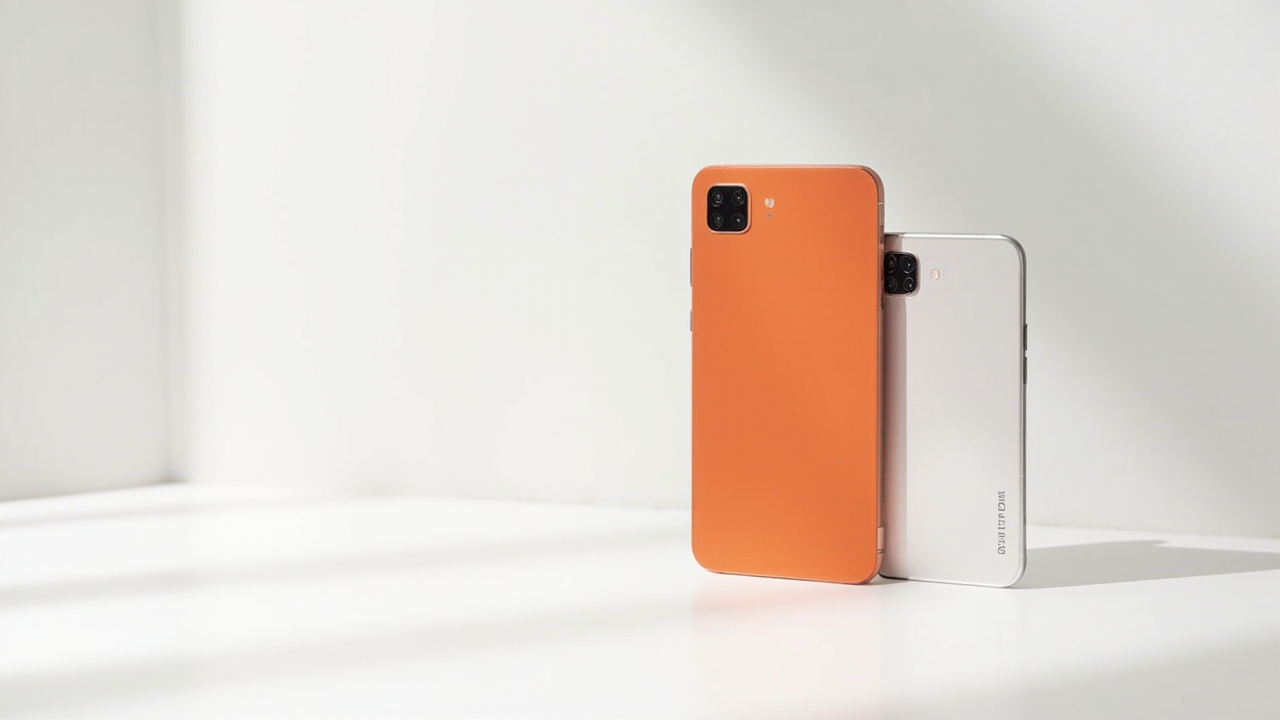
- iPhone 17 Pro: Forged aluminum unibody with Ceramic Shield 2 on the front (3x better scratch resistance vs prior gen) and a Ceramic Shield back. Vapor-chamber cooling. IP68 rated (6 m for 30 min). Weight ~199 g. Colors: Cosmic Orange, Deep Blue, Silver.
Real-world durability differences:
- The OnePlus 15’s IP69K rating is a genuine edge for users who actually get their phone near steam, sand, or pressure-wash environments (kitchen, beach, workshop, motorcycle cleaning). Apple does not certify the iPhone 17 Pro for IP69K.
- The iPhone 17 Pro’s Ceramic Shield 2 is documented as 3x more scratch-resistant than the previous generation, which is a meaningful upgrade for pocket-and-keys owners.
- The OnePlus 15’s 7,300 mAh battery is roughly 80-85% larger than the iPhone 17 Pro’s pack, which means more cycles before meaningful degradation (typical Li-ion cycle behavior favors larger packs for longevity). Apple’s flat-rate battery service is $99 for non-Pro Max iPhones; OnePlus service is typically $80-$120 depending on region.
- Both phones use USB-C and offer IP-rated water resistance. Both will survive a dunk. The OnePlus has a slight edge in extreme-environment certifications; the iPhone has a slight edge in panel scratch resistance.
- Repair: both are screen-and-battery-serviceable through authorized centers. Apple’s Self Service Repair program covers the iPhone 17 Pro with official parts and manuals. OnePlus parts availability is more limited in North America.
Verdict on durability: Roughly even. The OnePlus 15’s IP69K and larger battery are real pluses for rugged use; the iPhone’s panel scratch resistance and broader authorized repair network are pluses for daily pocket life.
Feature Breakdown
Display and refresh rate:
The OnePlus 15 ships a 6.78-inch 1.5K LTPO AMOLED (2,772 × 1,272) with 1-165 Hz adaptive refresh and a peak HDR brightness of 4,500 nits. The iPhone 17 Pro ships a smaller 6.3-inch Super Retina XDR OLED (2,622 × 1,206) with ProMotion 1-120 Hz and a peak HDR brightness of around 3,000 nits.
In practice, the OnePlus 15 has the larger, smoother, brighter display. The iPhone 17 Pro has the more color-accurate display out of the box (Apple targets P3 / Display P3 / sRGB precisely, with consistent factory calibration). For media consumption and gaming, the OnePlus 15 wins on raw numbers. For color-critical photo/video work, the iPhone is closer to reference.
Chipset and sustained performance:
The Snapdragon 8 Elite Gen 2 (OnePlus 15) and the A19 Pro (iPhone 17 Pro) are both 3 nm-class designs. In single-core benchmarks, the A19 Pro holds a consistent 15-25% lead in Geekbench 6 across multiple reviews. In multi-core, the two are roughly tied. In sustained GPU loads (3DMark Solar Bay stress test), the iPhone 17 Pro’s vapor-chamber cooling and Apple’s tight metal/SoC integration let it sustain higher clocks longer than most Android flagships, including the OnePlus 15 — although the OnePlus’s larger vapor chamber narrows the gap.
For local AI workloads (running an LLM, image generation, on-device transcription), the A19 Pro’s Neural Accelerators in each GPU core give the iPhone 17 Pro a real edge in 2026 benchmarks. The OnePlus 15’s Hexagon NPU is competitive but trails on raw tokens-per-second for popular open-source models.
Camera systems:
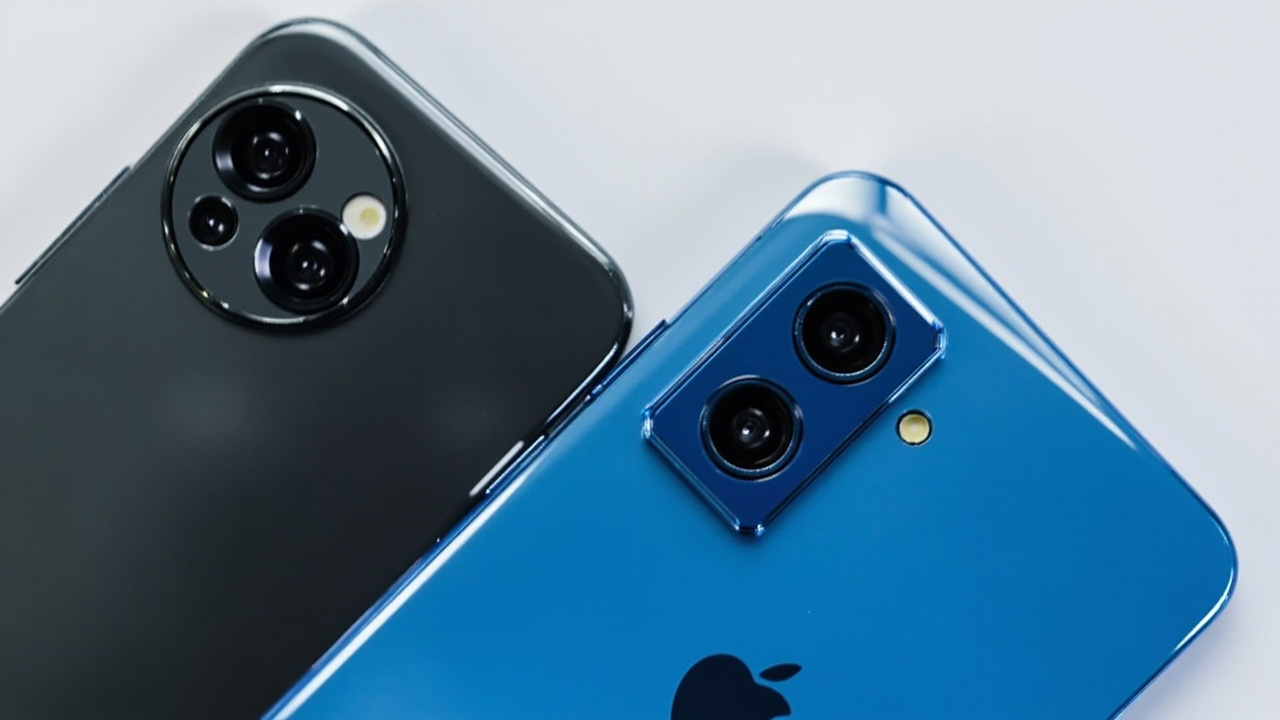
Both phones ship triple rear cameras with similar philosophies, but the implementation diverges.
- Main: OnePlus 15 uses a 50 MP Sony LYT-808 sensor (1/1.4”, f/1.8, OIS). iPhone 17 Pro uses a 48 MP custom sensor (1/1.28”, f/1.78, sensor-shift OIS). The iPhone’s sensor is physically larger, which translates to better low-light noise and slightly better dynamic range in challenging light. The OnePlus’s color science is more saturated and warmer by default; Apple’s is more neutral.
- Ultra-wide: Both ship 48-50 MP ultra-wides. The OnePlus 15’s 112° field of view is wider than the iPhone 17 Pro’s 13 mm equivalent (~120° field of view). Side-by-side reviews show the iPhone has better edge sharpness and less distortion thanks to computational correction. The OnePlus holds more of the scene.
- Telephoto: The OnePlus 15’s 50 MP 3.5x periscope is a real optical zoom, with “7x optical-quality” via cropping the 50 MP sensor. The iPhone 17 Pro’s 48 MP 4x/8x tetraprism offers a longer native reach (100/200 mm equivalent). For portraits, the OnePlus’s 3.5x framing is widely praised as more flattering for face shots; the iPhone’s 4x is better for distant subjects and wildlife. Both phones offer reasonable computational zoom up to 30x.
- Selfie: The iPhone 17 Pro’s 18 MP Center Stage square sensor is genuinely innovative — it lets you tap to rotate between portrait and landscape selfies without moving the phone, and automatically expands the field of view for group shots. The OnePlus 15’s 32 MP selfie shooter has more megapixels but a more conventional fixed-focus, fixed-FOV design.
Video: This is the iPhone 17 Pro’s strongest differentiator. Apple ships ProRes, Log, ACES color workflow, and 4K 120 fps Dolby Vision out of the box. The OnePlus 15 matches the 4K 120 fps Dolby Vision spec (and adds 8K 30 fps) but does not match Apple’s professional codec stack. For casual video, the two are tied. For YouTube-grade and indie-film work, the iPhone is the more capable tool.
Software and ecosystem:
- OnePlus 15: OxygenOS 16 (Android 16). OnePlus has committed to 4 major Android version updates and 6 years of security patches. OxygenOS is close to stock Android with a few OnePlus-specific optimizations (Parallel Processing, AI Scan, AI Perfect Shot). The phone ships with deep Google AI integration, including 3 months of Google AI Pro with 2 TB cloud storage as a launch promotion.
- iPhone 17 Pro: iOS 26. Apple has shipped 6-7 years of iOS updates to every prior Pro iPhone (the iPhone XS, 2018, still received iOS 17 in 2023). The platform includes Apple Intelligence, Messages via Satellite, and the deepest accessory ecosystem on the market.
Connectivity:
Both phones ship Wi-Fi 7, Bluetooth 6, 5G, dual eSIM. The OnePlus 15’s 360° omni-directional antenna is a real engineering edge for users who game or stream in environments with weak signal (subway, building corners, international roaming). The iPhone 17 Pro’s satellite messaging (via Globalstar) is a clear safety feature the OnePlus does not match.
Verdict on features: The OnePlus 15 wins on display, charging speed, ultra-wide field of view, and connectivity flexibility. The iPhone 17 Pro wins on single-core CPU, sustained GPU, video codec stack, color accuracy, selfie innovation, and satellite connectivity.
Pros and Cons
OnePlus 15 — Pros
- Lowest entry price in the 2026 Snapdragon 8 Elite Gen 2 flagship tier ($899 vs $1,099 for the iPhone 17 Pro).
- Largest battery of any 2026 mainstream flagship (~7,300 mAh CN, 6,500 mAh US SKU), delivering typically 1.5-2 days of mixed use per charge.
- Fastest wired charging at the price point (80 W SuperVOOC in US; 120 W in CN), reaching 100% in roughly 30 minutes from empty.
- Brighter, larger, smoother display (6.78”, 1-165 Hz LTPO, 4,500 nits peak HDR).
- IP66 / IP68 / IP69K ruggedness — survives sand, steam, and pressure-wash environments Apple does not certify for.
- Android openness: real file manager access, sideloading, dual physical SIM+eSIM on most SKUs, plug-and-play USB-C storage.
- 3 months of Google AI Pro with 2 TB cloud storage as a launch promotion.
OnePlus 15 — Cons
- Lower resale value — typically 25-35% retention after 3 years vs Apple’s 50-60% per SellCell.
- Shorter software support window — 4 Android version updates and 6 years of security patches, vs Apple’s 6-7 year iOS updates.
- No satellite connectivity for emergencies.
- Camera system trails on video codecs — no ProRes, no Log, no ACES workflow out of the box.
- Limited North American authorized service network — most repairs must go through mail-in service rather than walk-in stores.
- Single-core CPU performance trails the A19 Pro by roughly 15-25% in Geekbench 6.
iPhone 17 Pro — Pros
- Highest resale value of any phone on the market — typically 50-60% of MSRP after 3 years (Source: SellCell 2024-2025 quarterly iPhone depreciation reports).
- Longest single-charge video playback of any 2025/2026 Apple phone — 33 hours claimed (vs the iPhone 17 Pro Max’s 39 hours).
- A19 Pro chip leads in single-core CPU performance and sustained GPU loads under thermal stress.
- Pro-grade video toolset: ProRes, Log, ACES color workflow, 4K 120 fps Dolby Vision.
- 18 MP Center Stage selfie camera with square sensor — best-in-class for group selfies and content creators.
- Ceramic Shield 2 front (3x more scratch-resistant than previous gen).
- 6-7 year iOS support window — longer than any Android vendor.
- Satellite messaging for emergencies in areas without cellular coverage.
- Deep accessory ecosystem: MagSafe, AirDrop, Find My, Universal Clipboard, Continuity.
iPhone 17 Pro — Cons
- $200 higher entry price than the OnePlus 15 ($1,099 vs $899 for the 256 GB base).
- Smaller, less bright display (6.3” / 3,000 nits peak) than the OnePlus 15 (6.78” / 4,500 nits peak).
- Battery pack is roughly 80% smaller than the OnePlus 15’s — ~3,900-4,100 mAh vs ~6,500-7,300 mAh.
- Slower wired charging — 40 W USB-C PD vs the OnePlus’s 80-120 W. Full charge takes roughly 70 minutes vs 30.
- No IP69K certification — does not survive the high-pressure / high-temperature water jets the OnePlus is rated for.
- No USB-C file-manager access to internal storage — Apple’s Files app shows external drives but cannot mount internal storage as a mass-storage device on macOS or Windows without third-party software.
- Closed sideloading policy — installing apps outside the App Store requires EU residency (under the Digital Markets Act) or a Mac with Apple Configurator.
- Smaller ultra-wide field of view (~120° vs the OnePlus’s 112°, but the OnePlus has a wider-angle sensor).
Best For / Skip If
Best For — OnePlus 15
- Power users on a budget who want a true 2026 Snapdragon 8 Elite Gen 2 flagship for $899 instead of $1,099+.
- Heavy battery users — travelers, ride-share drivers, outdoor workers, and field photographers who can not recharge midday.
- Gamers — the 165 Hz display and the larger vapor-chamber cooling deliver more headroom for long Genshin Impact / Wuthering Waves sessions.
- Sideloaders, tinkerers, and USB-C power users who want native file manager access, dual physical SIM+eSIM, and plug-and-play USB-C storage.
- Rugged-environment users — kitchen, beach, workshop, motorcycle, or anyone who needs IP69K over IP68.
Skip If — OnePlus 15
- You keep phones 4+ years and want maximum resale return — the iPhone’s 50-60% retention will likely beat the OnePlus’s 25-35%.
- You shoot a lot of professional video — ProRes, Log, and ACES workflow on the iPhone are hard to match on any Android phone in 2026.
- You live in Apple’s ecosystem — AirPods, Apple Watch, Mac, iPad, and AirDrop are tightly bound to iPhone.
- You travel to areas without cellular coverage — the iPhone’s satellite messaging is a real safety net the OnePlus does not offer.
Best For — iPhone 17 Pro
- Long-horizon owners who keep phones 4-5 years and want maximum resale value back.
- Professional and prosumer videographers who need ProRes, Log, ACES, and 4K 120 fps Dolby Vision.
- Apple ecosystem users — AirPods, Apple Watch, Mac, iPad, Apple TV, HomePod.
- Single-handed phone users — the 6.3-inch form factor is meaningfully smaller and lighter than the OnePlus 15’s 6.78-inch screen, and easier to use one-handed.
- Outdoor and emergency-prep users who value satellite messaging for backcountry trips.
Skip If — iPhone 17 Pro
- You want the lowest entry price in the 2026 flagship class — the OnePlus 15 is $200 cheaper for similar day-one performance.
- You want the largest, brightest, smoothest display — the OnePlus 15 wins on all three metrics.
- You want the fastest charging — 80-120 W SuperVOOC beats Apple’s 40 W by roughly 40 minutes on a full charge.
- You want IP69K ruggedness — the OnePlus’s high-pressure / high-temperature water-jet certification is real and the iPhone does not match it.
- You are an Android power user who values sideloading, file-manager access, and customization.
Bottom Line
Both phones are genuinely good 2026 flagships. Neither will disappoint. The math is simple:
- If upfront cost, charging speed, battery capacity, display size, and Android openness matter most, the OnePlus 15 at $899 is the clear winner. You give up resale value and iOS-level software longevity, but you get a phone that does more per dollar on day one.
- If long-term resale, professional video, ecosystem lock-in, and software longevity matter most, the iPhone 17 Pro at $1,099 is the better five-year bet. You pay $200 more up front, but the iPhone’s 50-60% resale retention essentially recoups that gap within 2-3 years.
The real decision is how long you plan to keep the phone. If you upgrade every 2-3 years, the iPhone’s resale advantage is the dominant factor. If you keep phones 4-5 years, the two converge to roughly the same cost per year, and the decision shifts to ecosystem and feature preferences.
Buy smart. Get more value. Pick the platform that fits the use case — not the one with the louder marketing.