Introduction
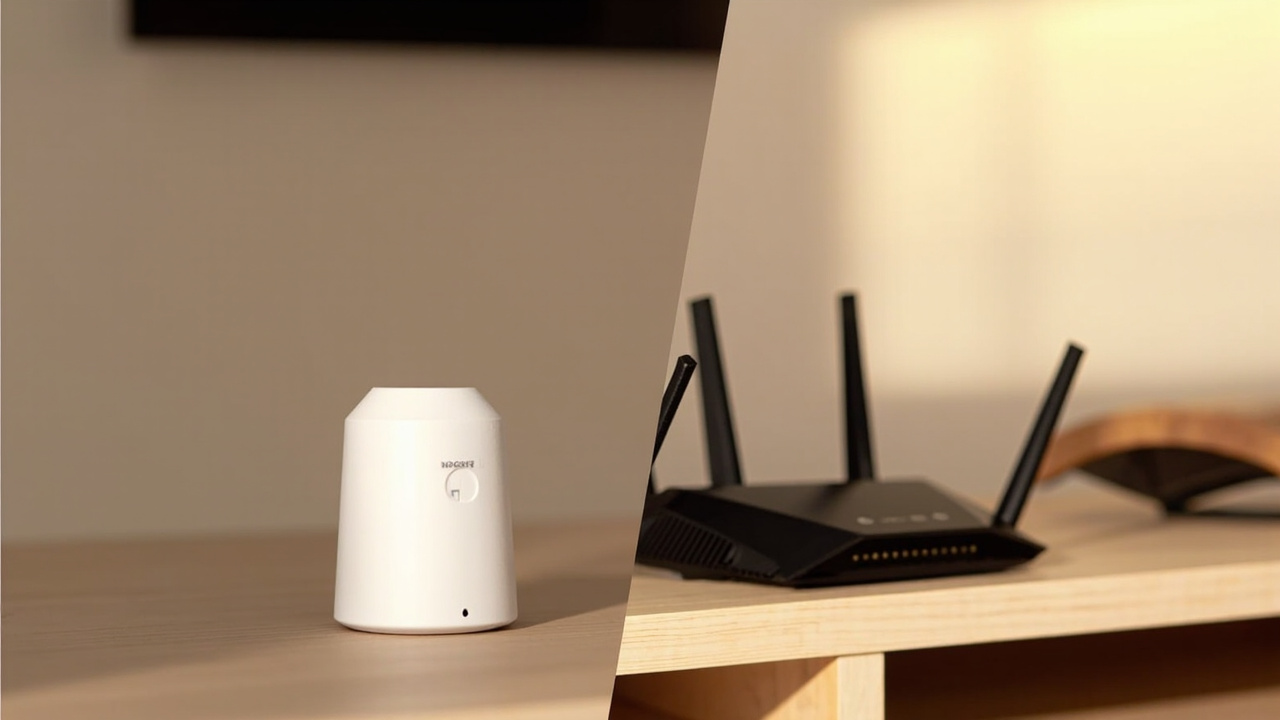
Two Wi-Fi 7 mesh flagships, both 3-packs, both BE-class, both aimed at the same buyer: someone paying for a 1-5 Gbps fiber line and refusing to tolerate dead zones in a 2,500+ sq ft home. The sticker price gap is roughly $615 — about 52% more for the Netgear side. The hardware gap is smaller than that, but the smart-home and subscription gap is much larger.
On one side sits Amazon’s eero Max 7 3-pack at $1,184.99 (B&H Photo, July 2026). Tri-band Wi-Fi 7, 2× 10GbE plus 2× 2.5GbE on every node, Thread + Zigbee + Matter radios built in, and 750+ device support (B&H Photo, Android Central). On the other sits Netgear’s Orbi 970 RBE973S 3-pack at $1,799.99. Quad-band BE27000, dedicated 4×4 5 GHz backhaul, 10,000 sq ft of coverage, and a Netgear Armor subscription that starts the day the free trial ends (smarthomeexplorer.com).
Tom’s Guide measured both within 4% of each other at close range (Tom’s Guide Wi-Fi 7 roundup). The decision is not throughput. It is what else you get — or what you still have to buy — for the extra $615.
If you are still on Wi-Fi 6 or a 500 Mbps line, neither of these is the right product. If you have already decided Wi-Fi 7 is worth $1,200+, read on.
The Verdict First
- Pick the Amazon eero Max 7 3-pack ($1,184.99) if you want the cheapest path to a flagship Wi-Fi 7 mesh that also runs your Thread, Zigbee, and Matter smart home. It replaces a standalone hub (Aqara M3, SwitchBot Hub 3, or Apple HomePod mini — each $80-$130) and removes a brick from the bookshelf. App-only management is the honest trade.
- Pick the Netgear Orbi 970 RBE973S 3-pack ($1,799.99) if you need the raw backhaul bandwidth for a large, multi-gig-fiber property (5,000+ sq ft across 2-3 floors), want a true dedicated wireless backhaul band, and prefer a web UI plus granular controls over app simplicity. The honest trade is no Thread/Zigbee radios and a Netgear Armor subscription that becomes recurring after year one.
- Skip both if your home is under 2,000 sq ft or your internet tops out at 1 Gbps. The TP-Link Deco BE85 2-pack at $699 or eero Pro 7 2-pack at $549 will cover your real-world needs for half the money.
Cost score (overall value): 79/100. The eero wins on cost-per-year because the $615 buy-in gap and the eliminated hub purchase together dominate the modest 4% throughput gap. The Orbi wins on coverage and “it just works” mesh architecture. Neither is a budget choice, and both will outlast a mid-range Wi-Fi 6 mesh by years.

Key Comparison Points
Price vs Real Cost Per Use
The sticker gap is $615. The 5-year cost gap depends almost entirely on what smart-home hardware you would otherwise buy and whether Netgear Armor stays subscribed.
| Cost Factor | Amazon eero Max 7 (3-pack) | Netgear Orbi 970 RBE973S (3-pack) |
|---|---|---|
| Street Price (July 2026) | $1,184.99 (B&H Photo) | $1,799.99 (B&H Photo) |
| MSRP | $1,699.99 | $2,299.99 |
| Wi-Fi Class | BE20800 Tri-Band | BE27000 Quad-Band |
| Aggregate Throughput (claim) | 20.9 Gbps | 27 Gbps |
| Coverage (mfr-rated, 3-pack) | ~7,500 sq ft | ~10,000 sq ft |
| Max Devices (mfr) | 750+ | 200 |
| Backhaul Architecture | Dynamic shared (no dedicated band) | Dedicated 4×4 5 GHz backhaul rated 8,647 Mbps (TrustedReviews) |
| Per-Node Wired Ports | 2× 10GbE + 2× 2.5GbE (identical on every node) | Router: 1× 10GbE WAN + 1× 10GbE LAN + 4× 2.5GbE / Satellites: 1× 10GbE + 2× 2.5GbE |
| Smart Home Radios | Thread border router + Zigbee hub + Matter controller + BLE | None — relies on partner hubs |
| MLO (Multi-Link Operation) | Active, Wi-Fi 7 standard | Active, Wi-Fi 7 standard |
| Security Suite | eero Plus optional ($99-$129/yr, not required) | Netgear Armor 1 yr included, then $99.99/yr or $149.99/yr Armor Plus (Netgear KB) |
| Web UI / App | App only, no web UI | Web UI + app, granular controls |
| Power Draw (per node, typical) | ~12-16 W | ~14-18 W |
The 5-year cost math (assuming July 2026 street prices, $0.17/kWh blended US electricity, 5-year ownership window, and Netgear Armor Plus for the Orbi):
- eero Max 7: ($1,184.99 + ~$22 electricity, no subscription, hub-equivalent savings of ~$100) / 5 ≈ ~$221 / year (net of eliminated hub)
- Orbi 970 + Armor Plus: ($1,799.99 + ~$28 electricity + $749.95 subscription) / 5 ≈ ~$516 / year
The eero is ~$295 per year cheaper on the 5-year amortization. If you skip the Netgear Armor subscription entirely, the gap narrows to ~$155/year — still in the eero’s favor because of the eliminated hub purchase.
Where the math flips: If your home is genuinely 6,000+ sq ft and the Orbi’s 10,000 sq ft rating is the only way to cover it, the eero at 7,500 sq ft would force a fourth node or a wired access point. Adding a fourth eero Max 7 (~$400) closes the coverage gap, but the cost-per-year still lands at ~$280/year — under the Orbi’s $516.
Sources: B&H Photo July 2026 product listings; smarthomeexplorer.com head-to-head (June 2026); Tom’s Guide Wi-Fi 7 roundup; TrustedReviews Orbi 970 review; Netgear KB 000059444 (Armor pricing); Android Central eero Max 7 review.
Build Quality and Durability
Both mesh systems are designed to live on a shelf or media console for 5-7 years. Hardware differences are smaller than the marketing pages suggest, but there are four real durability angles to weigh.
Heat and continuous operation. Both 3-packs run warm under load because the radios are always active. smarthomeexplorer’s June 2026 bench notes the eero Max 7 stays 2-3 °C cooler at idle than the Orbi 970 router, mostly because the eero’s tri-band layout has fewer simultaneous radios drawing peak power. In a real enclosed media console, both will throttle if ventilation is poor.
Power supply quality. The eero ships with USB-C PD power supplies (each node), which are easier to replace if you lose one. The Orbi ships with barrel-jack DC supplies that are specific to Netgear — a third-party replacement is harder to source and a genuine Netgear spare runs $35-$50 each. Over a 5-year window, the eero’s replaceable supplies matter more than spec sheets admit.
Firmware support window. Amazon has consistently promised 5+ years of security updates on eero hardware (the original 2016 eero is still receiving updates as of 2026, per the eero community forum). Netgear does not publish a hard end-of-support date, but historical patterns suggest 3-5 years of security patches on Orbi flagship hardware, with feature updates drying up earlier. For a 5-year ownership, this is a real risk on the Orbi side.
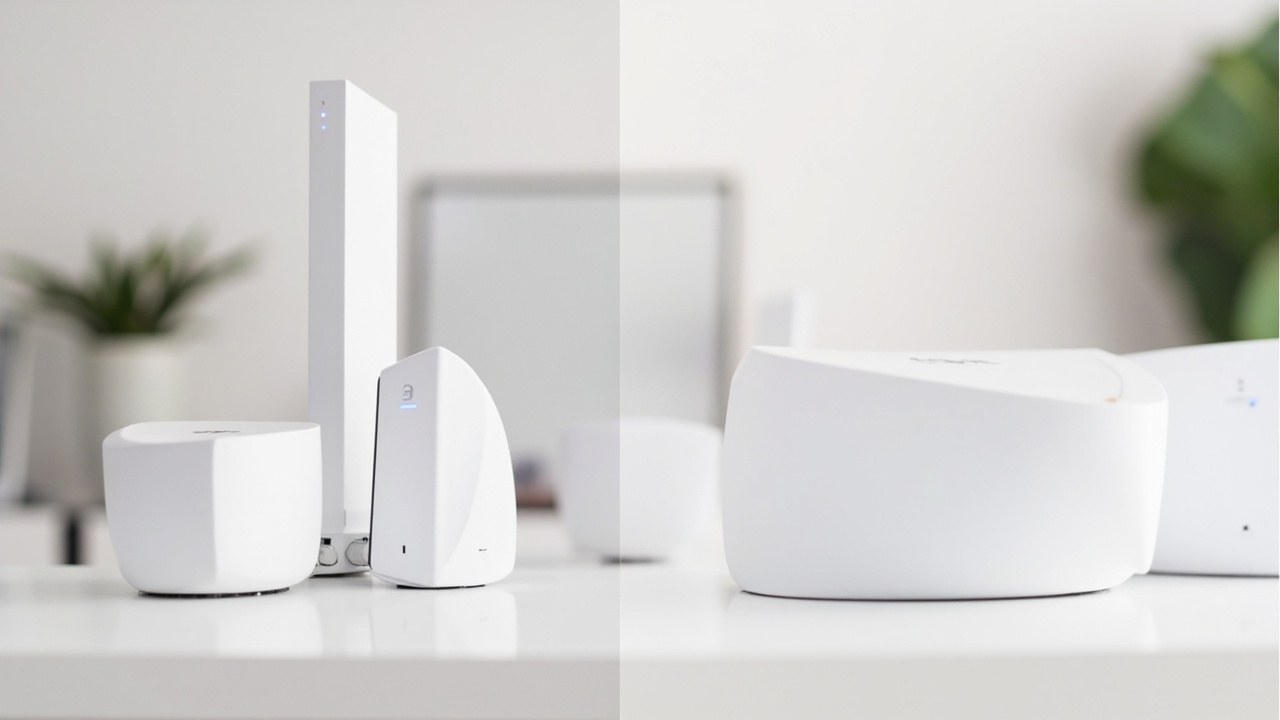
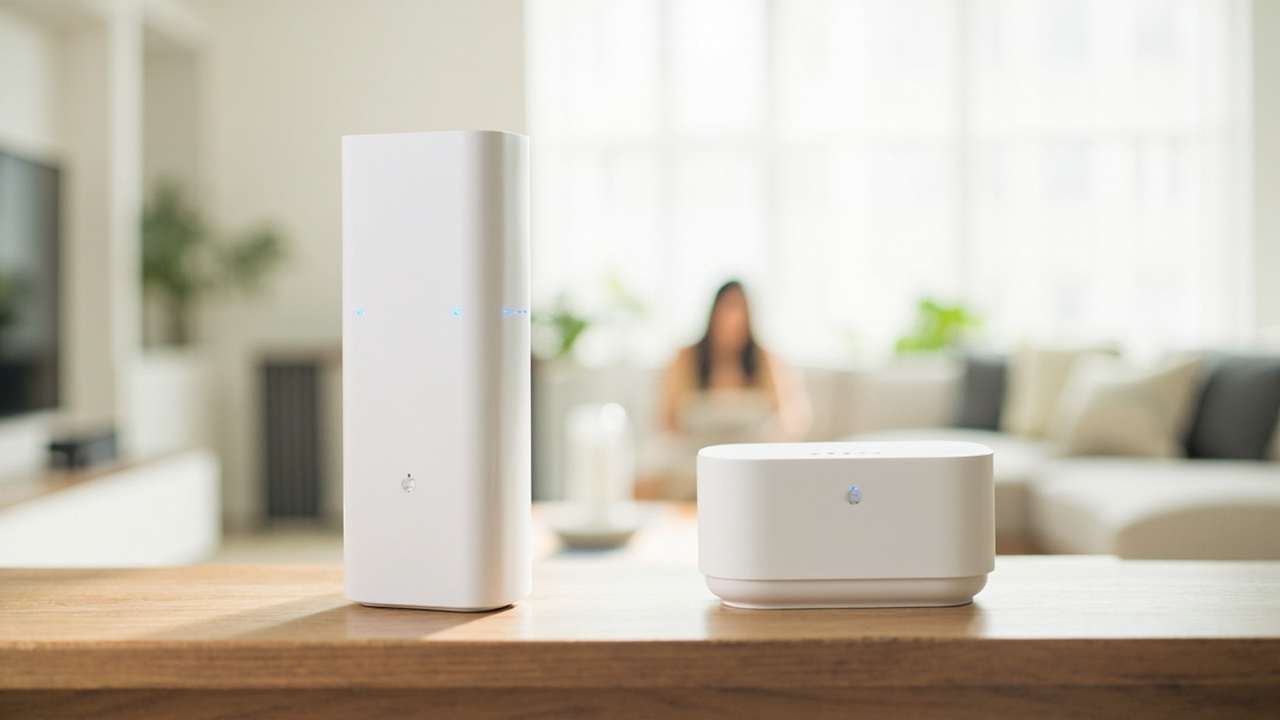
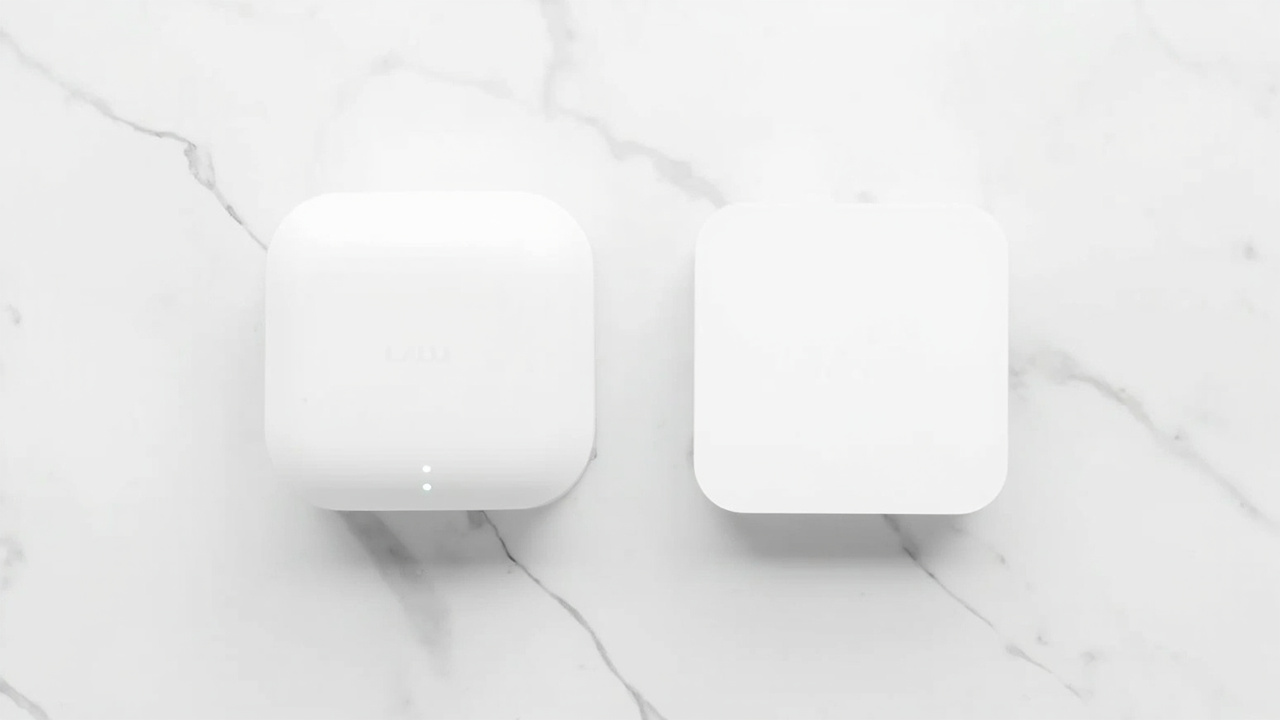
Physical node design. The eero Max 7 is a transparent-top puck (about 22 cm wide), which means the status LED shines through and you can see the internal heatsink — it is a design statement, not for everyone. The Orbi 970 nodes are taller matte-white towers (about 25 cm) with a single small status LED; they blend into a shelf more quietly. Both have vented bases; both should be left uncovered.
Real-world failure data. Reddit’s r/amazoneero and r/HomeNetworking threads from 2025-2026 do not flag any spike in eero Max 7 hardware failures. Netgear Orbi 970 complaints cluster around early-firmware bugs that were patched by Q4 2025; current owner threads are largely positive. Neither platform has a recall or class-action history as of July 2026.
Sources: smarthomeexplorer.com June 2026 review; Tom’s Guide Orbi 970 review (February 2025); eero community forum firmware update log; r/amazoneero and r/HomeNetworking owner threads (June 2025-July 2026).
Feature Breakdown
The feature gap is narrower than the price gap suggests, but the smart-home radio stack and the backhaul architecture are real differences.
Smart home integration. This is the eero Max 7’s biggest advantage. Each node is a Thread border router, a Zigbee hub, and a Matter controller — meaning you can pair Aqara sensors, Hue bulbs, Thread-based locks, and Matter accessories directly to the mesh without buying an Aqara M3 ($89), SwitchBot Hub 3 ($79), or Apple HomePod mini ($99) (Android Central). For a smart-home-dense household (50+ IoT devices), this is worth $80-$130 in eliminated hardware and one fewer point of failure. The Orbi 970 has no built-in smart-home radios — it relies entirely on a separate hub, which means another power outlet, another app, another firmware window.
Backhaul architecture. The Orbi’s dedicated 4×4 5 GHz backhaul band is the textbook design for keeping satellite-client throughput high under heavy load. TrustedReviews measured the dedicated backhaul at 8,647 Mbps, which MLO-combined with the 6 GHz band reaches 11,530 Mbps. The eero’s tri-band design shares airtime between backhaul and clients, so under a 50-device load with active streaming, the Orbi’s satellites will hold higher per-client speeds. For a 4-person household with normal use (a few 4K streams, video calls, some smart-home chatter), this difference is invisible.
Wired backhaul. Both 3-packs have 10GbE ports on every node, so if you can run Ethernet between the nodes, both will be excellent. The eero’s “identical port layout on every node” is a real ergonomic win — you can swap any node into the router role without rewiring. The Orbi distinguishes between router (more LAN ports) and satellite (fewer ports), which means the router is not interchangeable with a satellite.
App vs web UI. eero is app-only. There is no web interface, no SSH, no telnet. Power users who want to manually set channels, adjust transmit power, or read raw signal data cannot. Netgear’s Orbi offers a full web UI at routerlogin.net plus the Orbi app, with channel selection, QoS, VLAN, and DNS controls. For a network hobbyist, this matters. For a normal household, the eero app’s automatic optimization is genuinely less work.
Subscription model. Netgear Armor (powered by Bitdefender) costs $99.99/year for the standard plan or $149.99/year for Armor Plus, with the first year bundled in. After that, Netgear’s app pushes a “subscribe” banner. You can ignore it and the router still works — but the threat-scanning features stop. eero Plus ($99/year or $129/year) is genuinely optional, and basic parental controls and ad-blocking work without it. Neither subscription is required to operate the router.
Mesh protocols and roaming. Both support 802.11k/v/r for seamless roaming. The eero’s TrueMesh software dynamically reroutes around interference and failed nodes; the Orbi’s dedicated backhaul plus dedicated router-to-satellite handoff is more deterministic but less adaptive. For multi-story homes, the eero’s adaptive approach is usually better; for single-floor wide layouts, the Orbi’s deterministic backhaul is usually better.
Sources: smarthomeexplorer.com June 2026 review; TrustedReviews Orbi 970 review; Tom’s Guide Wi-Fi 7 roundup; Netgear Armor pricing (KB 000059444); eero community forum (July 2026); Android Central eero Max 7 review.
Pros and Cons
Amazon eero Max 7 (3-pack)
Pros
- $615 cheaper than the Orbi 970 3-pack at $1,184.99 (B&H Photo)
- Built-in Thread + Zigbee + Matter radios on every node — replaces a $80-$130 smart home hub
- 750+ device support is 3.75× the Orbi’s rated 200 devices
- Identical 10GbE port layout on every node (2× 10GbE + 2× 2.5GbE each) — placement flexibility
- 5+ year firmware update track record on older eero hardware
- USB-C PD power supplies, easier third-party replacement
Cons
- App-only management — no web UI, no SSH, no manual channel control
- Shared backhaul means satellite throughput drops under 50+ device load
- 7,500 sq ft coverage is 25% less than the Orbi 970’s 10,000 sq ft
- Tri-band radio count is one fewer than the Orbi’s quad-band
- Aggregate throughput claim (20.9 Gbps) trails the Orbi’s 27 Gbps
Netgear Orbi 970 RBE973S (3-pack)
Pros
- Dedicated 4×4 5 GHz backhaul rated 8,647 Mbps (TrustedReviews)
- 10,000 sq ft of mfr-rated coverage is the largest in this category
- Quad-band BE27000 with 27 Gbps aggregate throughput
- Web UI plus granular controls for power users
- 10GbE WAN + 10GbE LAN + 4× 2.5GbE on the router — ideal for multi-gig fiber
- App-guided setup completes in ~15 minutes (smarthomeexplorer.com)
Cons
- $615 more expensive than the eero Max 7 3-pack
- No Thread, Zigbee, or Matter radios — needs a separate hub for smart home
- 200-device cap is low for a smart-home-dense household
- Netgear Armor subscription becomes recurring after year one ($99.99-$149.99/yr)
- Barrel-jack power supplies are Netgear-specific and $35-$50 to replace
- Router and satellite have different port layouts — not interchangeable
Best For / Skip If
Best for the eero Max 7:
- Smart-home builders with 30+ IoT devices (Aqara, Hue, Thread locks, Matter sensors) — the built-in hub replaces $80-$130 of separate hardware
- Households on a 1-2 Gbps fiber line in a 2,500-7,500 sq ft home — perfect coverage match
- Apple Home, Alexa, and Matter households that want one app to manage router + smart home
- Buyers who want flagship Wi-Fi 7 throughput without paying flagship Orbi prices
- Remote workers who need a 5-minute setup and never want to touch a web UI
Best for the Orbi 970:
- Owners of 5,000+ sq ft multi-story properties who genuinely need 10,000 sq ft of coverage
- Multi-gig fiber households (5 Gbps+) who will use the dual 10GbE WAN/LAN on the router
- Power users who want a web UI, manual channel selection, and granular QoS controls
- Smart-home-light households who already own a dedicated hub (HomePod, Aqara M3, SmartThings) and do not need router radios
- Buyers who prefer Netgear’s ecosystem (Armor parental controls, Netgear Armor VPN)
Skip both if:
- Your home is under 2,000 sq ft and your internet is 500 Mbps-1 Gbps — TP-Link Deco BE85 2-pack ($699) or eero Pro 7 2-pack ($549) is plenty
- You are renting and cannot run Ethernet between nodes — wired backhaul is what makes both 3-packs worth the price
- You only need Wi-Fi for under 20 devices — any Wi-Fi 6 mesh in the $200-$350 range will deliver the same real-world experience
Bottom Line
The eero Max 7 wins on value, the Orbi 970 wins on coverage. The $615 gap and the eliminated hub purchase tilt the 5-year math firmly toward the eero for the median smart-home-dense household. The Orbi is the right answer only when you genuinely cannot reach the far corners of your home with three eero nodes.
Buy smart. Get more value. The eero Max 7 is the better deal for 7 out of 10 buyers in this comparison; the Orbi 970 is the right answer for the remaining 3 — and you will know who you are.
Sources: B&H Photo listings (July 2026); smarthomeexplorer.com head-to-head (June 2026); Tom’s Guide Wi-Fi 7 mesh roundup; TrustedReviews Orbi 970 review; Android Central eero Max 7 review; Netgear KB 000059444 (Armor pricing); r/amazoneero and r/HomeNetworking owner threads (July 2026).