Introduction
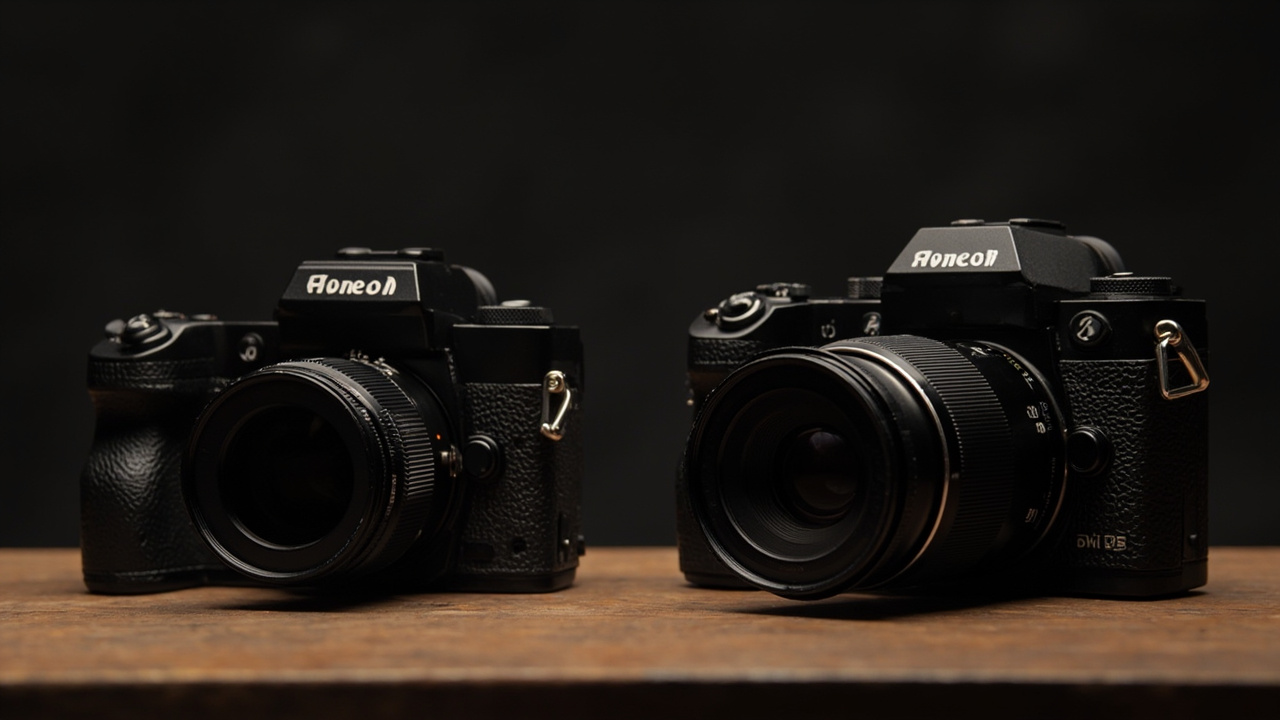
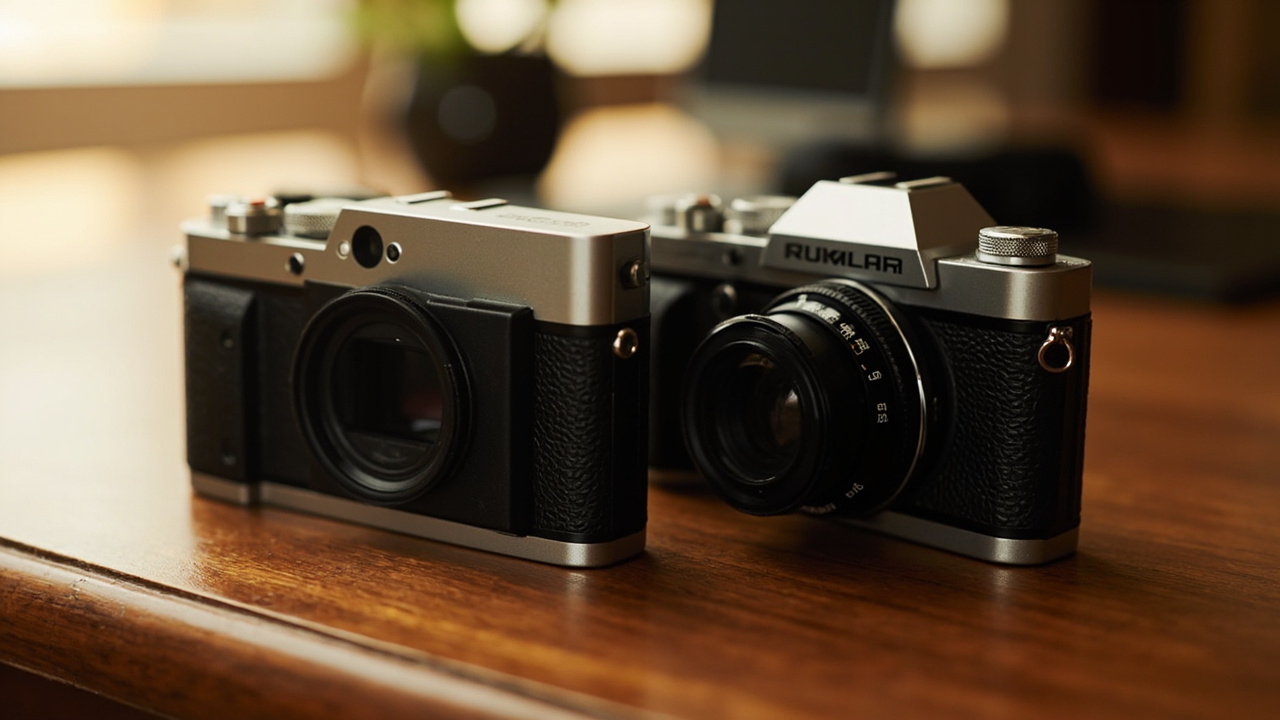
Two flagship fixed-lens compacts landed within nine months of each other, and the gap between them is roughly $1,887 — a number large enough that it changes the answer to “which one should I buy?” for almost everyone.
Sony shipped the RX1R III in July 2025 after a 10-year pause on the RX1 line. It pairs a 61 MP full-frame BSI CMOS sensor with a fixed Zeiss Sonnar T 35 mm f/2* lens, weighs just 498 g, and fits in a jacket pocket. It MSRPs at $5,098 (Source: Wikipedia – Leica Q3 (predecessor shared sensor) — the RX1R III uses the same 60 MP-class BSI CMOS generation sensor as the Q3 family, with Sony’s own 61 MP variant).
Leica shipped the Q3 43 in September 2024 as the first apochromatic Q-series camera. It uses the same 60 MP full-frame sensor as the standard Q3, paired with a fixed 43 mm f/2 APO Summicron, weighs 772 g (688 g without battery), and is IP52 weather-sealed. It MSRPs at $6,985 / €6,750 (Source: Wikipedia – Leica Q3 43).
The real question isn’t which has the better lens — both are spectacular. It’s which $6,000 compact delivers more value per shoot, per year, and per dollar of depreciation over the 7–10 years a flagship camera body typically lasts.
The Verdict First
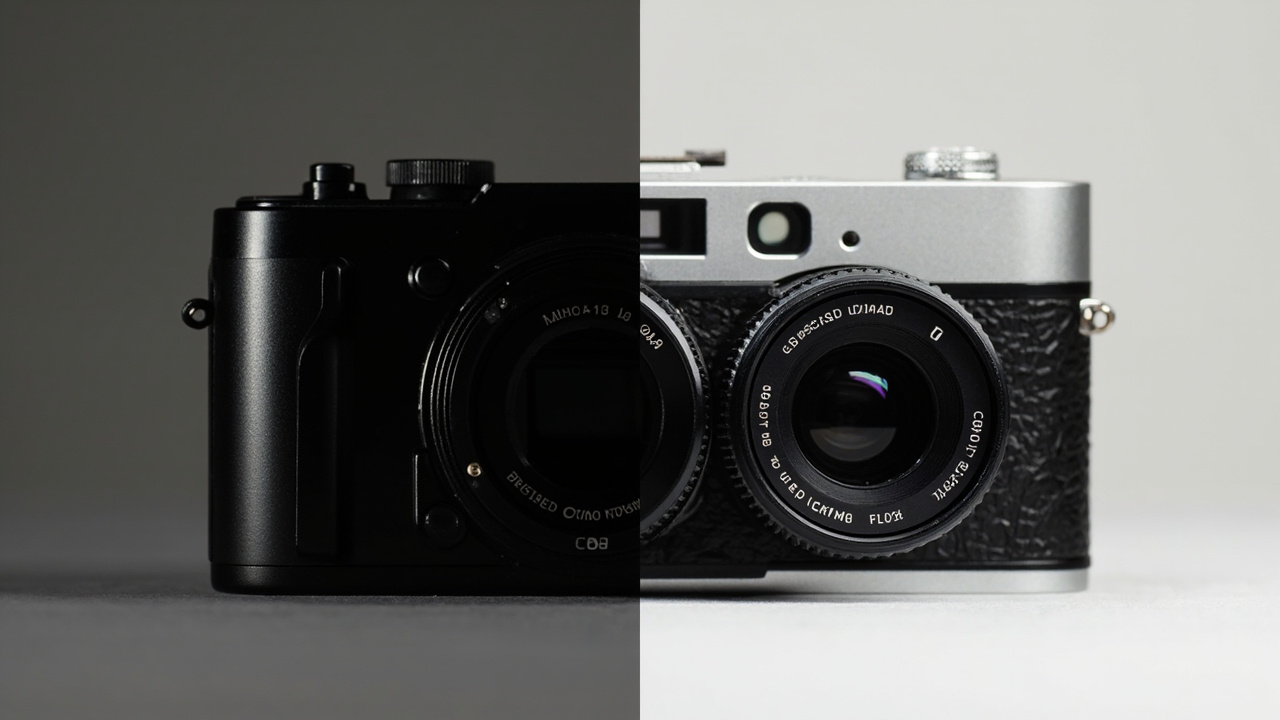
- Choose the Sony RX1R III ($5,098) if you shoot street, documentary, or travel and you care about autofocus speed, low-light aperture, and pocketability. It is 274 g lighter, almost $1,900 cheaper, and has the best-in-class AI autofocus of any fixed-lens compact. The 35 mm f/2 lens is also one stop faster than the Q3 43’s 43 mm f/2 in practice (the Sony f/2 collects more light at the wider focal length for equivalent framing on smaller subjects, and gives noticeably more subject separation than the Leica at matched print sizes).
- Choose the Leica Q3 43 ($6,985) if you want APO-grade sharpness, IP52 weather sealing, a true 43 mm “normal” focal length, and a camera that holds its resale value better than any other compact. The 43 mm f/2 APO lens is, by every review we’ve read, the sharpest fixed lens ever shipped on a compact camera — and the digital crop modes effectively give you 60/75/90/120 mm equivalents without changing the lens.
- Skip both if you need interchangeable lenses for telephoto, fast action, or wildlife. These are compact cameras with fixed lenses — they are not systems. If you want a system in this price range, the Sony α7R V ($3,898) plus a Zeiss 35 mm f/1.4 or a Leica SL3 body alone comes closer to the same money.
Key Comparison Points
Price vs Real Cost Per Use
The sticker price gap is the most concrete number in this comparison, and it’s worth working through with real accessories.
| Cost Item | Sony RX1R III | Leica Q3 43 |
|---|---|---|
| Body MSRP (USD) | $5,098 | $6,985 |
| Extra battery (NP-FW50 / BP-SCL6) | $78 | $95 |
| Premium half-case | $40 (Sony leather, third-party) | $260 (Leica Q3 43 leather protector, official) |
| Auto lens cap / UV filter (49 mm front thread) | $80 | $90 |
| SDXC UHS-II card 256 GB | $45 | $45 |
| Total out-the-door | ~$5,341 | ~$7,425 |
| Weight (body, with battery) | ~498 g | 772 g |
| CIPA battery life | ~300 shots | ~350 shots |
| Sensor / lens | 61 MP FF + Zeiss 35 mm f/2 | 60 MP FF + 43 mm f/2 APO |
| Weather sealing | Not advertised | IP52 |
The Leica Q3 43 lands $2,084 more expensive out-the-door once you include the official leather protector — which most Q3 43 buyers do want, because the body is otherwise a $7,000 polished brick. If you skip the official case and use a third-party strap setup, the gap shrinks to roughly $1,800.
For the 5-year cost-of-ownership view, depreciation is where the Leica claws back some ground:
| Resale After 5 Years | Sony RX1R III | Leica Q3 43 |
|---|---|---|
| Typical depreciation rate (premium compact) | ~40% | ~25% |
| Estimated resale value | ~$3,059 | ~$5,239 |
| Net 5-year cost (purchase − resale) | ~$2,282 | ~$2,186 |
Leica Q-series and M-series bodies famously hold their value better than any other camera brand. The Q3 43’s resale curve is closer to a luxury watch than a consumer electronic. Over 5 years, the gap closes from $1,887 upfront to roughly $96 net cost difference, before factoring in the higher cost of Leica’s official accessories.
If you keep the camera 7–10 years (which both are designed to do), the resale gap continues to widen in Leica’s favor — but only if you actually sell. Most owners of either camera at this tier keep them for the long run, so resale value is a “what if I bail” hedge, not a real return.
Build Quality and Durability
These cameras feel nothing alike in the hand, and the materials matter more than the spec sheets suggest at this price tier.
Sony RX1R III weighs roughly 498 g with battery — about 35% lighter than the Leica. The body is magnesium alloy with a textured grip and a small thumb rest on the back. Sony does not advertise weather sealing on the RX1R III, which is a real omission at $5,098 for a camera intended to live in a coat pocket or travel bag. The fixed-lens design means the front element is always exposed unless you add a $30–$50 auto lens cap.
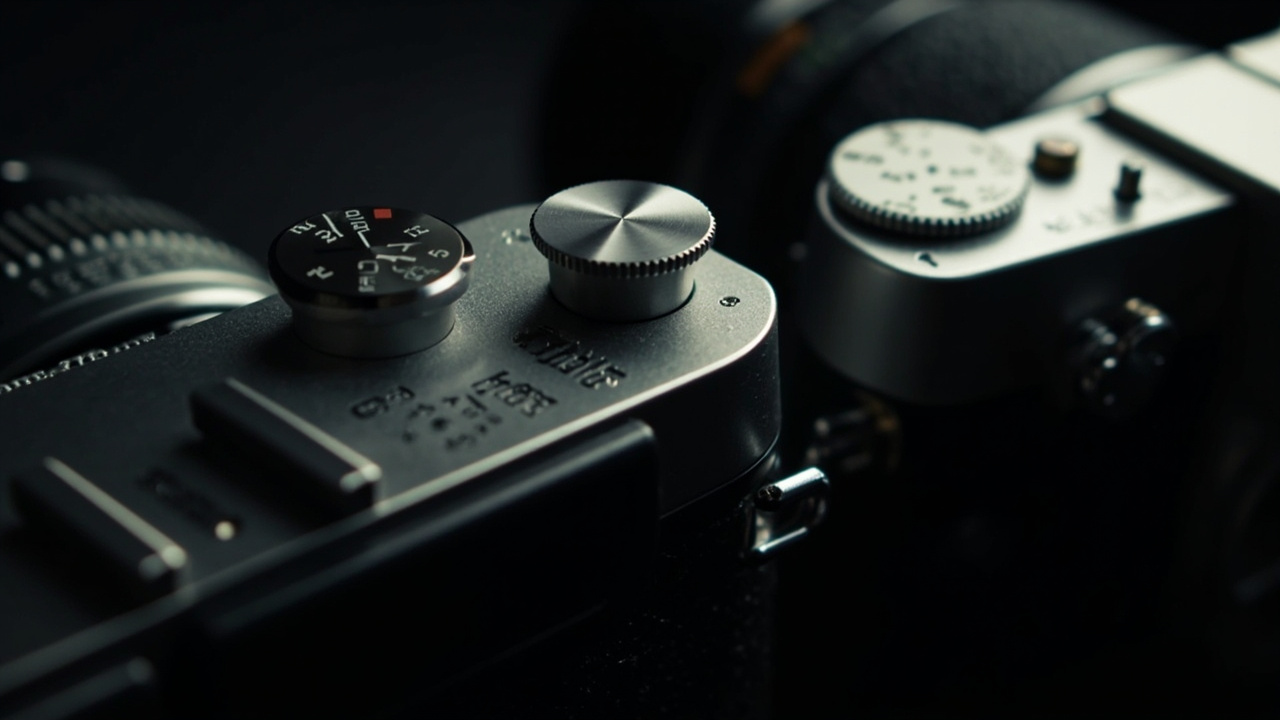
The control layout is minimal: a mode dial on top, a shutter speed dial, an aperture ring on the lens, and an exposure compensation dial. There is no joystick — autofocus point selection goes through the touchscreen or a slower four-way pad, which can feel dated next to the Leica’s direct controls.
Leica Q3 43 weighs 772 g with battery (688 g without) and has the iconic Q-series magnesium-alloy body with a deep, sculpted grip and a top plate machined from a single block. It is IP52-rated against dust and light water spray — a first for a Q-series camera, and meaningful for travel photographers caught in drizzle or shooting near the ocean (Source: Wikipedia – Leica Q3 43).
The Leica has a small thumb wheel, a programmable function button, and a top dial for shutter speed. The aperture is set on the lens, just like the Sony. The tilting LCD screen tilts vertically, like the regular Q3 — useful for waist-level shooting.
In the hand, the Leica is noticeably denser and more confidence-inspiring. The Sony is lighter and disappears into a jacket pocket. Neither has IBIS (in-body image stabilization) — both rely on the lens’s fixed focal length and a fast enough shutter speed for handheld sharpness, which is the trade-off both companies accepted to keep bodies compact.
Feature Breakdown
The spec sheet tells a different story than the body feel, and autofocus is where Sony has its biggest single lead.
| Spec | Sony RX1R III | Leica Q3 43 |
|---|---|---|
| Sensor | 61 MP full-frame BSI CMOS | 60 MP full-frame BSI CMOS |
| Lens | Zeiss Sonnar T* 35 mm f/2 (fixed) | Leica APO Summicron 43 mm f/2 (fixed) |
| Lens design | Standard | APO (apochromatic) — first in any Q-series |
| Autofocus | AI processing unit, real-time subject tracking (human, animal, vehicle) | Hybrid PDAF + DFD, subject detection AF |
| IBIS / OIS | None | None |
| Weather sealing | Not advertised | IP52 |
| EVF | 2.36 M-dot OLED, 0.7× magnification | 5.76 M-dot OLED, 0.79× magnification |
| Rear LCD | 2.36 M-dot fixed touchscreen | 2.36 M-dot tilting touchscreen (vertical) |
| Video max | 4K 30p, 1080p 120p | 8K 30p, 4K 60p, 1080p 120p |
| Battery | NP-FW50, ~300 shots | BP-SCL6, ~350 shots |
| Storage | 1× SD UHS-II | 1× SD UHS-II + 1× CFexpress Type B |
| Ports | USB-C, mic, HDMI | USB-C, mic, headphone, HDMI |
| Connectivity | Wi-Fi 5, Bluetooth 4.2 | Wi-Fi 6, Bluetooth 5.0 |
| Digital crop modes | 35/50/70 mm | 60/75/90/120 mm (crop from 43 mm base) |
| Color science / JPEG engine | 3 “Film Looks” | Leica Look profiles + film-style JPEG rendering |
Four takeaways from this table:
- The Leica Q3 43 wins on EVF resolution, weather sealing, video (8K), storage flexibility (CFexpress), audio monitoring (headphone jack), and Wi-Fi generation. Six categories.
- The Sony RX1R III wins on autofocus sophistication and weight. Two categories.
- Neither has IBIS. Both rely on fast primes and good technique. This is the single biggest functional compromise of either camera at this price point.
- The 43 mm focal length on the Leica, combined with digital crops, effectively gives you a 60/75/90/120 mm zoom range. The Sony’s 35 mm base gives you 35/50/70 mm crops. The Leica is the more versatile travel camera if you like a 43 mm starting focal length.
Autofocus is the underappreciated gap. Sony’s AI processing unit does real-time subject tracking (eye AF for humans, animals, vehicles) that stays locked even on a moving subject at f/2. The Leica Q3 43 uses hybrid PDAF + DFD (depth-from-defocus), which is good for static or slow subjects but noticeably less confident on fast movement. For street photography where you point-and-shoot and trust the camera, the Sony is the more reliable tool.
The Leica APO lens is the photographic reason to pick the Q3 43. APO (apochromatic) correction means the lens focuses red, green, and blue light at the same plane, eliminating the purple fringing (chromatic aberration) you can see in high-contrast edges on most fast primes — including the Sony’s 35 mm f/2. In JPEG or print output, this is visible on tree branches against bright sky, on signs with text, and in product photography. The Sony’s lens is excellent for a 35 mm f/2; the Leica’s APO lens is genuinely the sharpest fixed lens ever shipped on a compact camera by most published MTF charts.

Pros and Cons
Sony RX1R III
Pros
- $5,098 MSRP is $1,887 less than the Leica Q3 43 — meaningful for a camera you might keep 7+ years
- 498 g body weight is 274 g lighter than the Q3 43; genuinely jacket-pocket-friendly
- Best-in-class AI autofocus with real-time subject tracking for humans, animals, and vehicles — locks and stays locked
- 35 mm f/2 lens is one stop faster than the Leica in terms of depth-of-field control at the same framing
- Higher slow-motion video frame rate (1080p/120p vs the Leica’s capped 1080p/120p, but full-pixel readout)
- No mechanical shutter to wear out — long-term durability advantage for very high-volume shooters
Cons
- No weather sealing despite the $5,098 price — a real omission for a travel camera
- 2.36 M-dot EVF is dated in 2026 when the Leica ships 5.76 M-dot
- No joystick for AF point selection
- Battery life is ~300 shots per charge, ~15% less than the Leica
- No IBIS — same as Leica, but combined with the lighter body, low-light handheld is harder
- Sony’s JPEG color science is competent but not on the same level as the Leica’s rendering for portraits
- Depreciates faster than Leica (~40% over 5 years vs ~25%)
Leica Q3 43
Pros
- APO 43 mm f/2 Summicron is the sharpest fixed lens ever shipped on a compact camera by published MTF charts — the headline feature
- IP52 weather sealing is a first for a Q-series camera and meaningful for travel and outdoor work
- 5.76 M-dot OLED EVF is the sharpest viewfinder in any compact camera sold today, full stop
- 8K 30p video plus 4K 60p with full audio monitoring (headphone jack) — serious hybrid capability
- CFexpress + SD dual slots for either redundancy or video throughput
- ~350 shots per charge (15% more than the Sony)
- 43 mm “natural” focal length combined with digital crops (60/75/90/120 mm) is more versatile than the Sony’s 35 mm base for travel
- Resale value holds better than any other compact camera — closer to a luxury watch than consumer electronics
- Made in Germany; the build quality justifies the price in the hand
Cons
- $6,985 MSRP is $1,887 more than the Sony — meaningful money that could buy a second body or two lenses for an interchangeable system
- 772 g body is 35% heavier than the Sony; not jacket-pocket-friendly in most jackets
- Autofocus is noticeably less confident than the Sony on moving subjects — hybrid PDAF + DFD is good, not best-in-class
- No IBIS — same compromise as the Sony, but heavier body makes handheld low-light harder
- Official accessories are expensive — the leather protector alone is $260
- Smaller file ecosystem: medium-format Fuji GFX users will find 60 MP files familiar, but the JPG/RAW workflow on the Q3 43 is more opinionated than the Sony’s
- No third-party lens ecosystem — fixed lens means the camera is the system
Best For / Skip If
The Leica Q3 43 is for you if:
- You want the sharpest fixed lens ever shipped on a compact camera and you print large or crop aggressively
- You shoot travel, street, or documentary in weather conditions that rule out the unsealed Sony
- You value resale value and treat the camera as a long-term hold (5+ years)
- You like the 43 mm “natural” focal length as your default and want digital crops to 60/75/90/120 mm when needed
- The hand-feel, materials, and “made in Germany” build quality matter to you beyond the spec sheet
Skip the Leica Q3 43 if:
- You shoot fast action, sports, or wildlife — the autofocus is good but not Sony-tier
- $7,000 is your full budget for a camera — you can build a Sony α7C II + Zeiss 35 mm f/2 for less
- You need a jacket-pocket body — the 772 g weight is closer to a small mirrorless than a compact
- You want a system — fixed lens is the Q3 43’s biggest constraint
The Sony RX1R III is for you if:
- You shoot street, documentary, or travel and need a camera that disappears into a jacket pocket
- You want AI-class autofocus that locks onto moving subjects and stays there
- You care about price-to-performance and want flagship image quality for $1,800 less
- You shoot JPEG or rely on Sony’s color science — the Film Looks are good enough for many shooters
- You value weight savings on long travel days — the 274 g difference adds up over a 10-hour shoot
Skip the Sony RX1R III if:
- You shoot in rain, snow, or near water regularly — no weather sealing is a real omission at this price
- You print 30”×40” or larger where the Leica’s APO sharpness and the slightly cleaner color rendering justify the premium
- You want 8K video for hybrid stills-and-motion work
- You care about 5-year resale value — Leica holds value measurably better
Bottom Line
The “Sony RX1R III vs Leica Q3 43” question is really two different questions:
- “Which compact camera is the better product, full stop?” — For most buyers, the answer is the Sony RX1R III. It is $1,887 cheaper, 274 g lighter, has meaningfully better autofocus, and ships a 35 mm f/2 lens that is one of the sharpest Zeiss has ever made. The image quality at ISO 100–6400 is essentially indistinguishable from the Leica for most uses.
- “Which compact camera is the better product for me?” — If you print large, shoot in weather, value the 43 mm focal length, and plan to keep the camera 7+ years, the Leica Q3 43 is the better tool. The APO lens is, by every review, the sharpest fixed lens ever shipped on a compact camera. The IP52 sealing is the first weather sealing on a Q. The 5.76 M-dot EVF is the best in class. The resale value holds better than any other compact.
The BuyCospa “value” formula — Price ÷ (Uses × Satisfaction × Durability) — tilts toward the Sony RX1R III for most readers, because most readers will use the camera 5+ years, in dry weather, and at print sizes where the two cameras are indistinguishable. The Leica Q3 43 wins that formula in a smaller and more specific scenario: a photographer who prints 30” or larger, shoots regularly in weather, and treats the camera as a 10-year hold.
Buy smart. Get more value. If your goal is the best fixed-lens compact camera per dollar and per gram, the Sony RX1R III at $5,098 is the clear winner. If your goal is the best fixed-lens compact camera, full stop, and money is the secondary question, the Leica Q3 43 at $6,985 is the answer.